


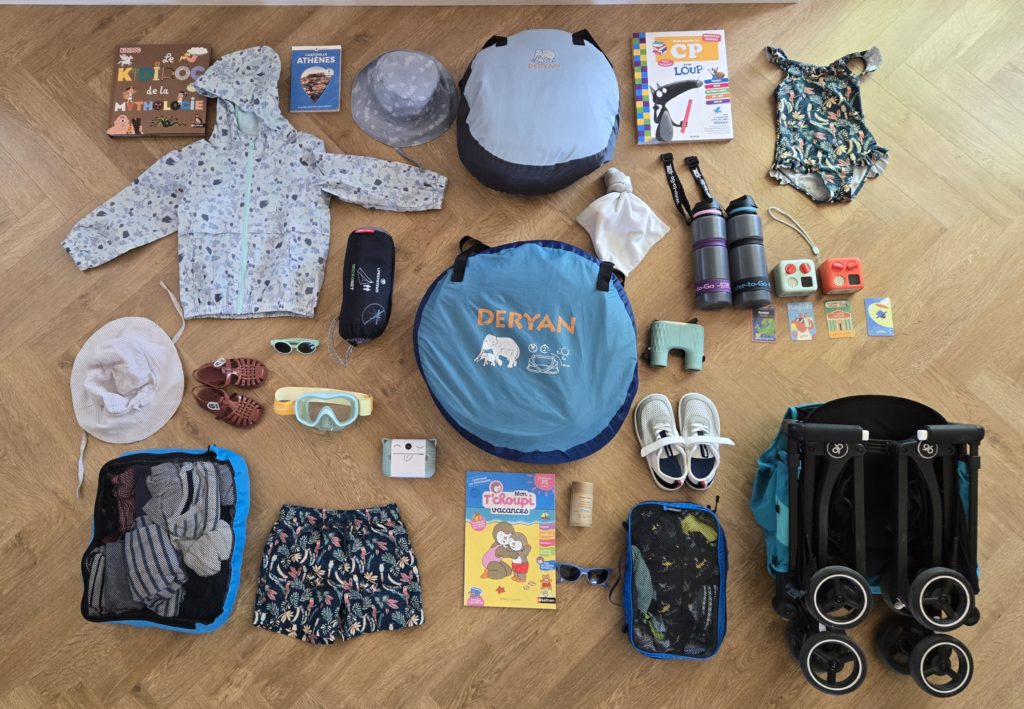
Our family packing list is the question that always comes up: what do we bring on trips with the kids? What do you really need to pack when traveling as a family?
Here is our minimalist, field-tested family travel packing list: sleep, transportation, health, games, snacks, etc. Our essential gear for traveling with children. After several trips by plane, train, road trip and backpack with our kids, this article is written on the occasion of our three-month road trip in a (small) car.
Disclaimer: as is often the case with family travel, we are constantly looking for the balance between comfort and clutter,which can feel like a contradiction.
Sleeping while traveling with children
A travel tent instead of a travel cot
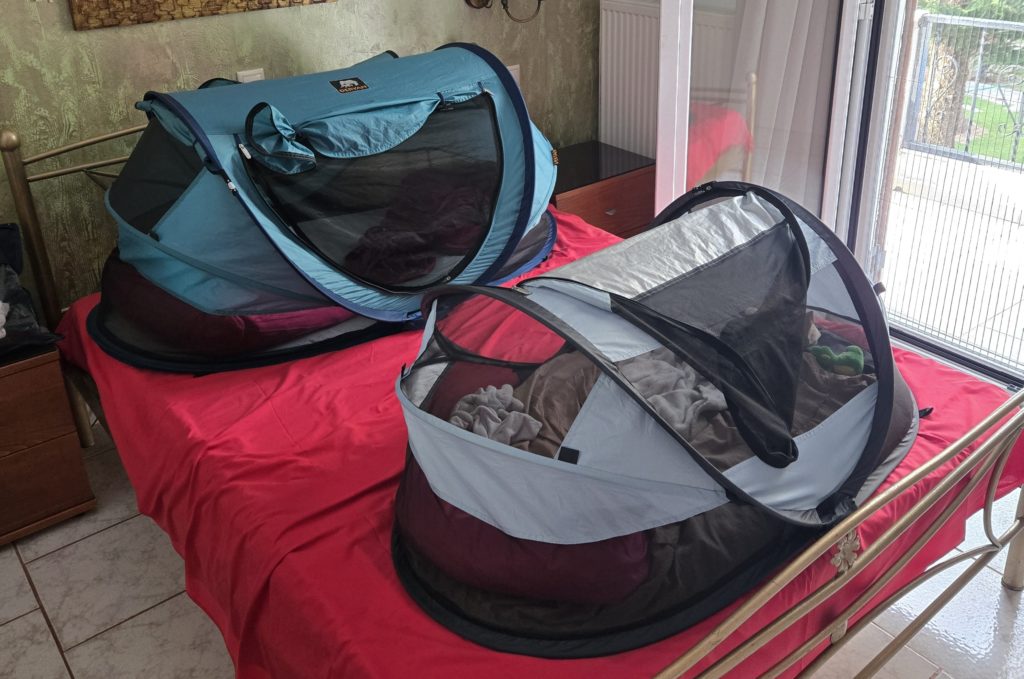
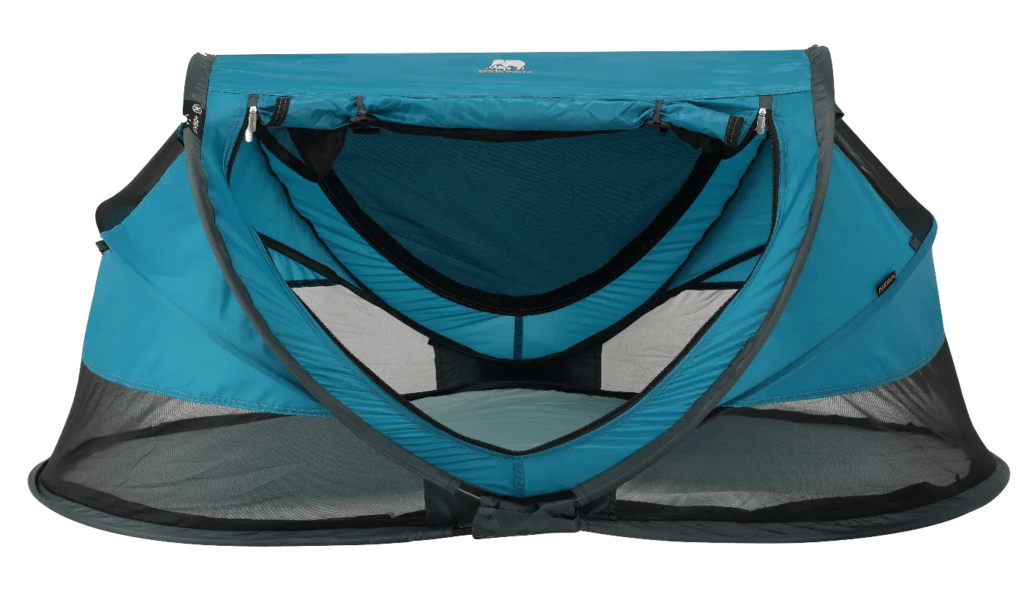
My best tip for setting up babies to sleep while traveling is a pop-up travel tent (Deryan is the only brand we tested). Since discovering this tent, we no longer use a travel cot. Even the priciest “compact” models are far bulkier. This pop-up tent designed as a baby bassinet is a game-changer!
Super easy to set up, slightly trickier to fold back down, but honestly it’s fine, and so lightweight and minimalist! It’s comfortable, the kids love it, and it protects against mosquitoes (and sun if you want to use it outdoors).
We have two models, for our little one (0 to 3 years): Baby Luxe
For our older one (1 to 6 years): Toddler Luxe
We’re pushing them a bit and reaching their size limit on this road trip. Originally, we invested in the larger model for our first child hoping it would last as long as possible. In the end, the smaller model has already served us for three years. Once folded, it even fits in a carry-on bag or a large backpack.
Our eldest could sleep on a simple inflatable mattress, but he prefers the cocoon effect of the tent, which keeps him from rolling onto the floor at night, and we love the built-in mosquito and insect protection.
Sleeping bag liners
Sleeping bag liners are really handy for avoiding having to wash the entire sleeping bag every time you want to freshen up the bedding!
We were thrilled to find them in children’s sizes: the KidSack Cotton by Cocoon. For this summer trip, we simply brought lightweight blankets to layer over their liners. Sleeping bags felt too warm. We also pack mini flat pillows for them.
Before they turned 3, we used sleep sacks, adjusting the TOG rating based on expected temperatures.

Sleep for the parents
Being well-rested is essential for parents while traveling. I have no magic solution to stop your kids from waking you up, but at least make sure you’re comfortable. A sleep mask (preferably silk or satin) and earplugs are non-negotiables. These take up almost no space.
Personally, I often struggle to sleep on firm mattresses. For this trip, I wanted to bring a mattress topper. We were tempted by the Duvy mattress topper by Nyte. It’s incredibly comfortable, but unfortunately too bulky for a road trip with four people in a city car. I thought it would work for our setup, but it seems better suited to van travel or a more stationary situation.
If anyone has suggestions for a minimalist mattress topper, we’re all ears.
Some people travel with their own pillow, same issue as the mattress topper: the comfort-to-clutter ratio is a tough sell.
Getting around while traveling as a family
The combination of a baby carrier and a stroller works in every situation (even if Nicolas would always prefer to leave one of them behind). With two young children, it also means being able to carry both at the same time and letting them switch between the two.
That said, it doesn’t stop them from both wanting the exact same thing at the exact same moment, or from hurting our backs.
Useful tip : if you are traveling by car and enjoy hiring bikes, bring your kid’s helmets. A lot of bike rental don’t have small size helmets.
Baby carriers while traveling
The baby carrier market is constantly evolving (which is a good thing), so our recommendations may not be the best ones by the time you read this.
First of all, we have never tried hiking-style framed carriers (or backpacks). Even though they seem more comfortable, we find them too bulky for our plane or train trips. They’re also a significant investment for something that’s difficult to carry around.
Soft-structured carriers have the advantage of being easy to roll or fold. Because when a baby decides they don’t want to be in the carrier anymore, there’s no convincing them otherwise.
We have two different models (to carry one child each when they were smaller) and we each have our favorite (which goes to show how much body shape matters):
- An Ergobaby Omni carrier (the Ergobaby Omni 360 Cool Air Mesh, 2020 model) which Nicolas prefers. It works great for front carries and forward-facing. However, we find it uncomfortable for back carries.
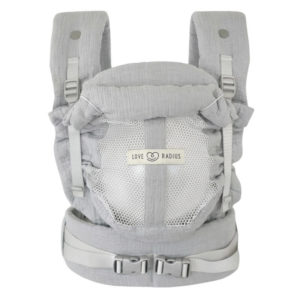
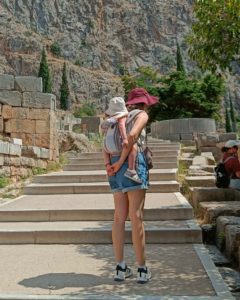
- A French baby carrier brand Love Radius Physio Carrier (model 1, 2023) which Clémentine finds much more comfortable. It doesn’t allow forward-facing carries, but it’s excellent for back carries, right up past 3 years old. It’s a product you genuinely use for several years!
Make sure to try models before buying, check whether they work well for both front and back carries, and look at the weight limit. Some have handy features like a fabric hood to protect baby’s head from the sun, or a built-in foldable rain cover.

Stroller
The big debate before every trip: do we bring the stroller?
We personally own three: an all-terrain one usable from birth that we use for forest walks and never take on trips; an ultra-compact stroller that lives in the car and comes everywhere with us — plane, boat, and train; and a bike trailer that doubles as an all-terrain double stroller (not suitable for newborns).
Compact / umbrella stroller for travel
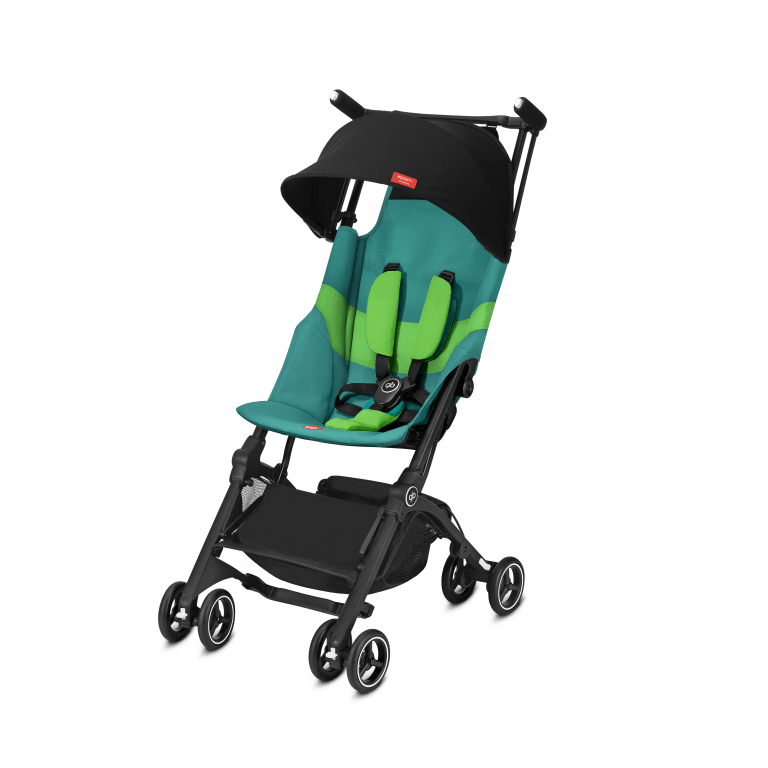
A true game-changer when traveling: the ultra-foldable mini stroller that fits in an airplane overhead space or under/above seats on a train. Ours also lives permanently in the car without taking up any space, since it tucks at the foot of a child’s seat. It’s the GB Pockit (2021 model). It can be used from birth when combined with a compatible infant car seat using adapters.
We’re very happy with it. It’s far sturdier than it looks and has been through some serious adventures. Its only downside: it’s a bit low for tall people like us — we’d love a height-adjustable handlebar model.

Bike trailer and stroller
We also invested in a double bike trailer, which we love and use constantly (an older unbranded model). What’s great is that we can convert it into a stroller after parking the bike. Both kids fit in it, there’s even a storage compartment, and it’s genuinely all-terrain. It folds flat, but still takes up considerable space in the car.
As I write this, whether it’s coming on our three-month European road trip is still up in the air. It’s so useful for hauling gear, picnics, and kids to the beach or through the forest. But it’s a lot of effort to assemble, disassemble, and squeeze into the trunk.
The car seat dilemma
Even though the question doesn’t apply to this road trip since we’re leaving from home in our own car, we’ve often had to decide: bring our own car seats or not? They’re so bulky, but our experiences have been mixed. It’s usually outrageous rental fees for poor-quality seats.
We’ve also found ourselves in countries where car seats are barely a thing and it was nearly impossible to find one in a taxi. If you’ve tried foldable (or even inflatable?) car seat solutions, leave us a comment!
Keeping kids entertained during the trip
What toys to pack when traveling with children?
No magic formula here, except to weigh whether a toy’s entertainment value justifies the space it takes up. What always works: stickers and coloring books.
A quick note on magic water painting books (many publishers offer them); if you haven’t discovered these yet, I highly recommend it. Even as an adult, I think they’re fantastic. They keep kids busy for a long time, can be done over and over again, and best of all, they’re incredibly mess-free. The only catch if you’re traveling somewhere hot: the water can dry up before you finish the page!
As for toys, Duplo and Lego are always a crowd-pleaser and easy to pack. Mini playsets are great too, I’m glad Polly Pocket are back!
Story players and books
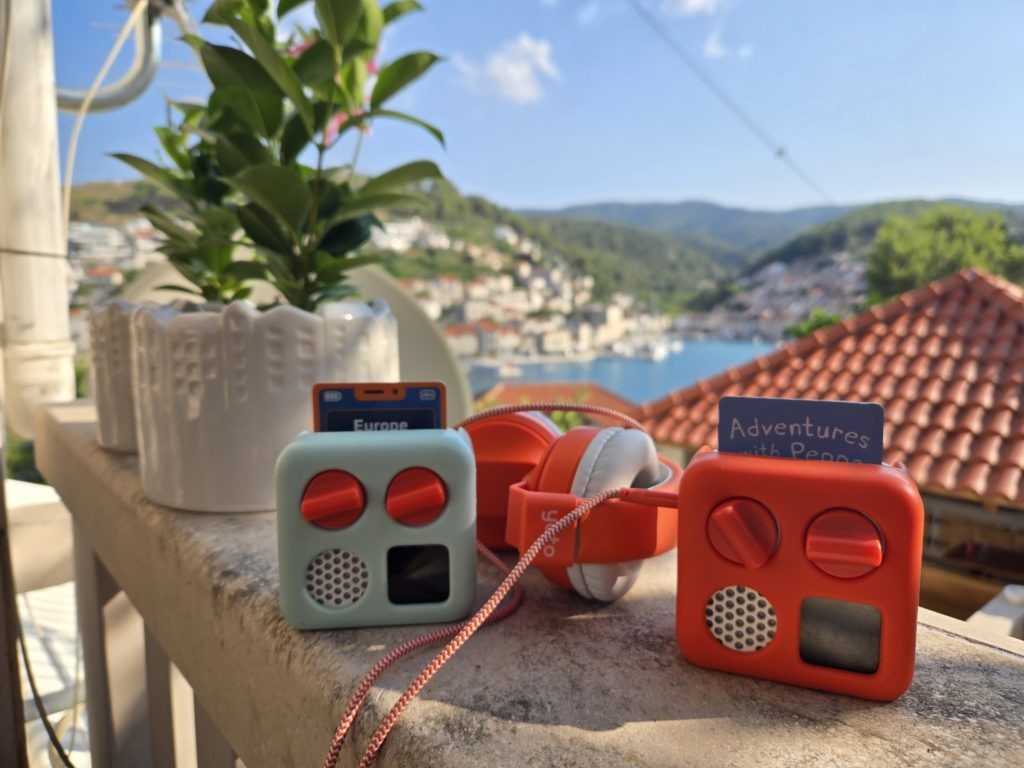
Having a story player has been a game-changer at home and on the road. We already had one. For this trip, we invested in a second one and headphones so each child can listen to their own.
After extensive research (back in 2022, the market has evolved a lot since then), we chose the Yoto Mini and have been very happy with it. A big plus for us: the catalog includes cards in different languages. We also appreciate its durability, how easy it is for kids to use, and its compact size. We love the record-your-own cards feature; our three-year-old uses them when she wakes up at night to soothe herself with our voices.
I also love that we were able to find content tailored to our trip, with a card on Ancient Greece and another on a journey through Europe.
Of course, we always travel with a few soft-cover books.

For older kids: keeping a travel journal
For our 6-year-old son, I came up with the idea of having him keep a journal of our trip. I slipped into the suitcase: a nice notebook, pencils, glue, scissors, and tape. I also printed a map of Europe as well as a map of each country we’re passing through so he can trace our route. He can stick in tickets, make drawings, and write little notes.
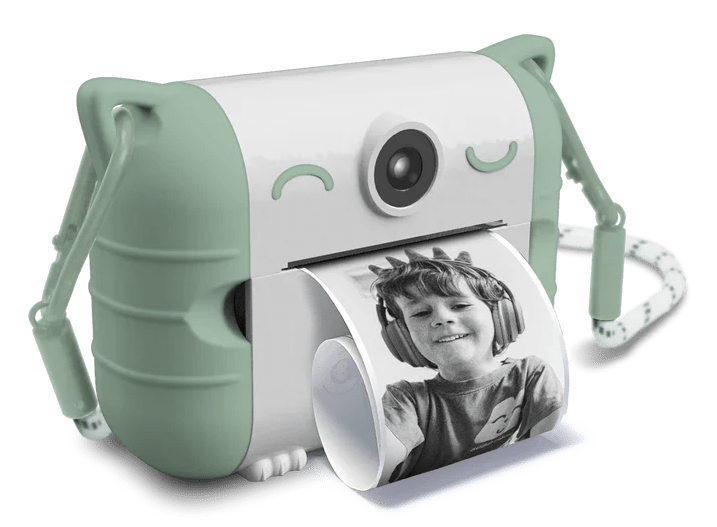
At the last minute, I splurged and broke the low-budget spirit of this project. I bought him a kids’ camera, which can print (in black and white) selected photos (and not every single one like a Polaroid). Here’s the model we chose.

Snacks: a family packing list essential
The number one tip from parent friends who traveled before us has always been to pack plenty of snacks. Breaking out the snacks when things start going sideways usually works. So pack lots and lots of them, preferably ones that aren’t too messy (aka melting chocolate…).
For carrying your snacks, powdered milk tins make great containers to hand out between kids. I also always bring small reusable snack pouches, like these ones from the brand Laessig, which also make the best travel bibs we’ve ever tried.
Health while traveling with children
We made our first aid kit and medecine bag with our doctor. We took care to put a padlock on the bag containing our medications (which often lies accessible in hotel rooms).
Sun protection
We all agree that the best thing is to keep kids out of direct sun. But when you’re traveling, staying in the shade at all times is often just not possible. The essentials for protection are hats, sunglasses, UV-protective clothing, and a good sunscreen.
Choosing sun protection is a sensitive topic, both for health and environmental reasons.
We use the Comme Avant solid sunscreen stick, which is pricey but has the major advantage of being approved for use from birth (while most sunscreens are only approved from 6 months).
We also always travel with a beach tent or a sun umbrella, even when we’re flying. That said, we still haven’t found the perfect model. If you have any recommendations, feel free to leave us a comment!
Mosquito and tick protection
We always travel with a set of tick removers in different sizes, just in case.
To avoid using toxic mosquito repellents, we prioritize appropriate clothing: long sleeves and trousers in the evenings and in higher-risk areas.
During our round-the-world trip, we discovered mosquito-repellent clothing (also effective against ticks). We invested in one set per person: socks, leggings, a long-sleeved shirt or t-shirt, and a light jacket. The brand Insect Shield offers children’s clothing.
For any exposed skin (face, neck, hands, ankles), the Comme Avant solid mosquito repellent is also safe from birth. In countries where mosquitoes carry serious diseases, we’ve used chemical aerosol repellents as a complement (keeping their use to a minimum). It’s all about finding the right balance between risks and benefits.
Filtering your water
Depending on the destination, filtering water may be more or less necessary. For peace of mind with kids, it’s a good idea to travel with a filtration system. It also means you won’t have to buy plastic bottles. Some filtration systems connect directly to the tap, which is very practical for washing baby bottles or rinsing toothbrushes while taking zero risk.
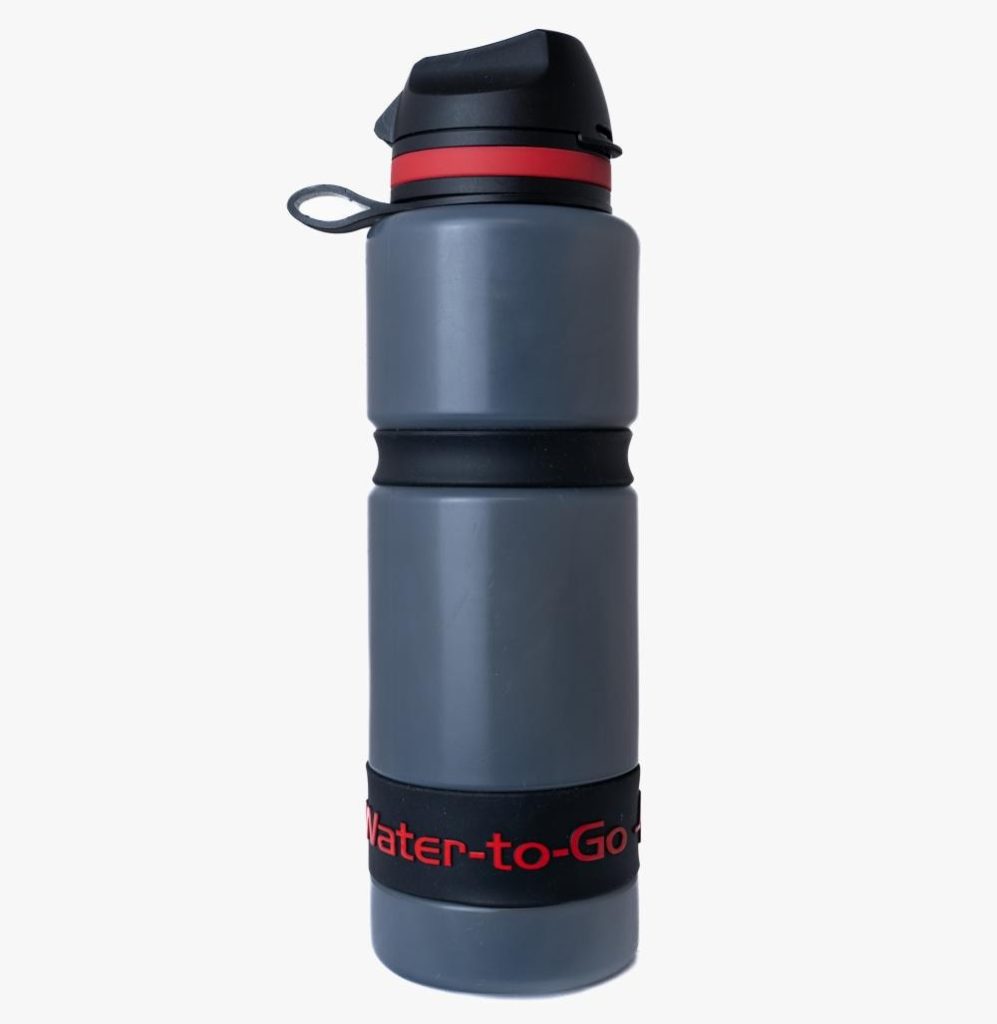
Having a filtered water bottle is also very useful. We travel with Water-to-Go bottles, our loyal companions since our world tour. [15% off with the code: VDM15.]

Swimming
We always bring our Decathlon swim vests. They take up more space than arm floaties or an inflatable swim ring, but they allow children to swim in a horizontal position and provide extra peace of mind when it comes to safety.
We have our children wear them around swimming pools and during boat trips. They quickly forget they’re wearing them because the vests don’t restrict their movements.
Of course, they are not a substitute for a life jacket and they do not eliminate the risk of drowning. However, it’s so rare to find properly sized life jackets provided for children that bringing our own is always better than nothing. Another advantage is that they can be used for several years.
Travel insurance for families
Outside the European Union, good travel insurance is a must (even if we hope to never need it).
Ultimately, our family travel packing list constantly evolves depending on the kids’ ages, the destination, and the mode of transport. Your guiding principles should be: comfort, practicality, flexibility and lightness (save your poor parent backs)!