During the summer of 2026, we spent 15 days in Croatia as a family with young kids. This trip was part of a 3-month road trip across Europe and the Balkans. We arrived from Bosnia and Herzegovina via the Bijača border crossing and left via Vinica towards Slovenia.
Our trip mainly focused on the island of Brač, where we spent 9 nights, and the Krka and Plitvice national parks (we did 3 nights near each park).
The beautiful island of Brač with the family
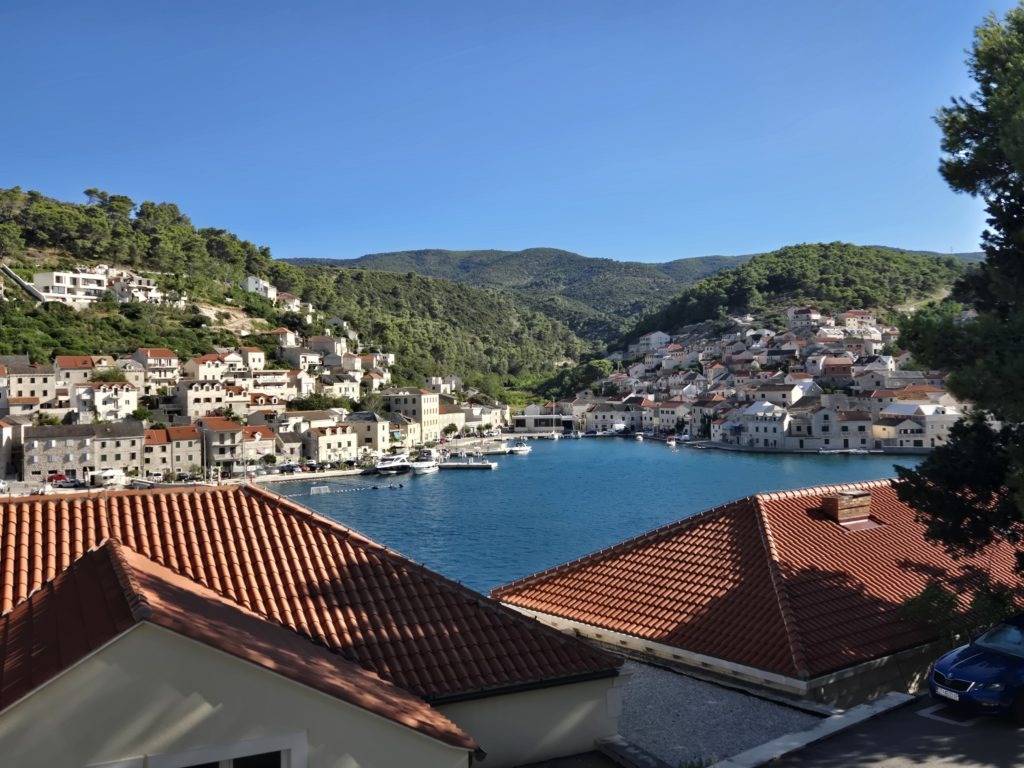
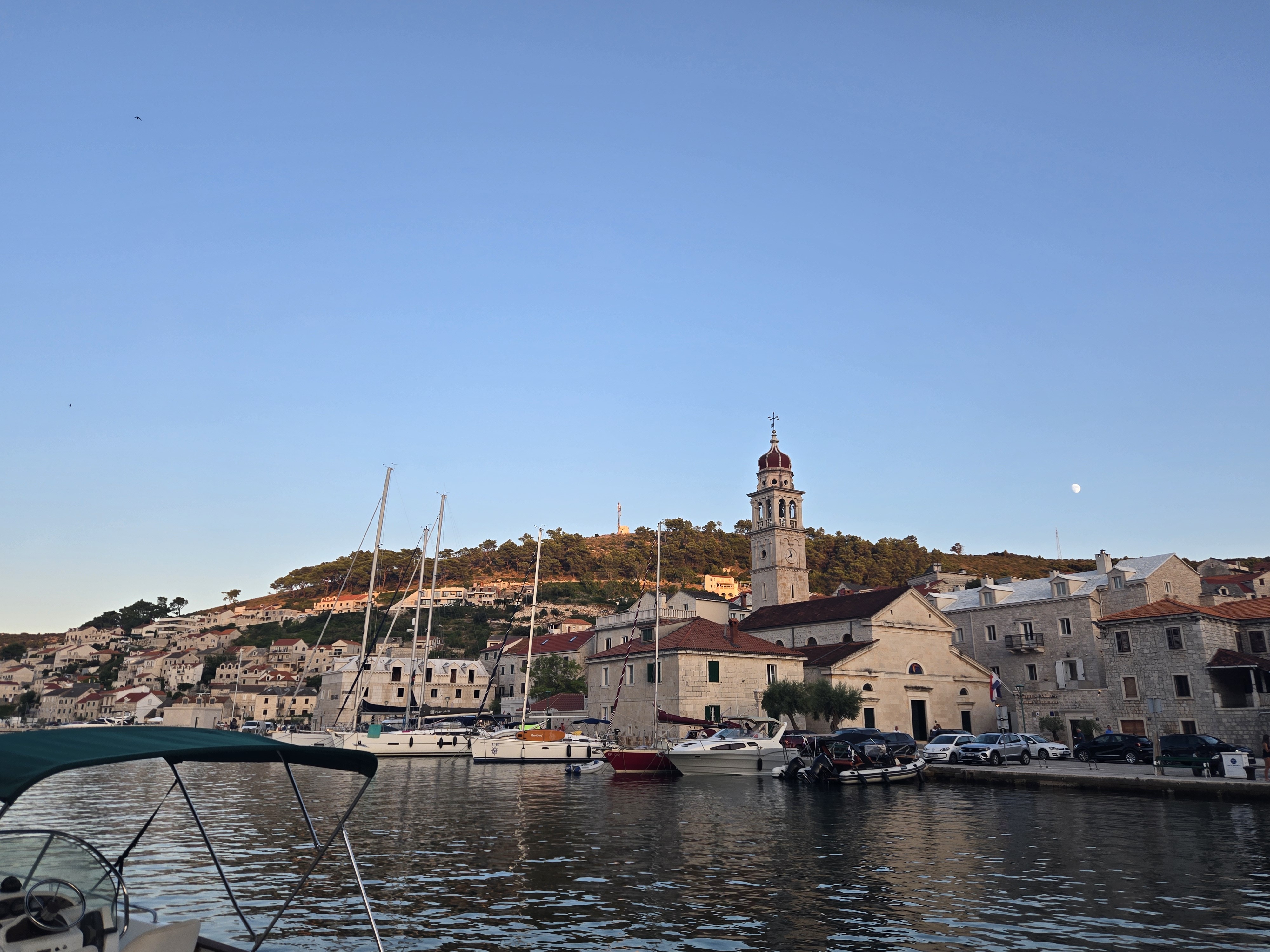
The village of Pučišća: a stroll along the harbour and the stonemasonry school
Our first accommodation, which was really great, was in the village of Pučišća. We loved the magical atmosphere of this little village, which, despite the occasional small cruise ships stopping there, didn’t seem overcrowded with tourists. Having a parking spot was a real bonus, but it seemed possible to park along the road or in the car park at the entrance of the village.
The walk along the harbour is lovely in the late afternoon or early evening. There is a small souvenir market in the evenings, as well as small grocery shops in the village (with varying opening hours).
In the village, just a few metres from our accommodation, you will also find the stonemasonry school. The students learn to work with techniques and tools inherited from methods used since Roman times. They shape the famous white stone from Brač (notably used for the White House), and it is possible to watch them at work. The visit is quick, but it impressed the children.
Beaches in Pučišća
Right at the foot of our accommodation, there is the small Sveti Rok beach. The beach is tiny, but there are a few fish to see while snorkelling. There is also the larger Pucisca Susman beach opposite, next to an expensive inflatable water park.
We also went to Luchica Beach, which is very pleasant and a little way out of town, at the end of the road leading to a clearing. It was also a great snorkelling for us for us, and parking is free. You can park just above the beach or along the road.
Where to eat and watch the sunset in Pučišća?
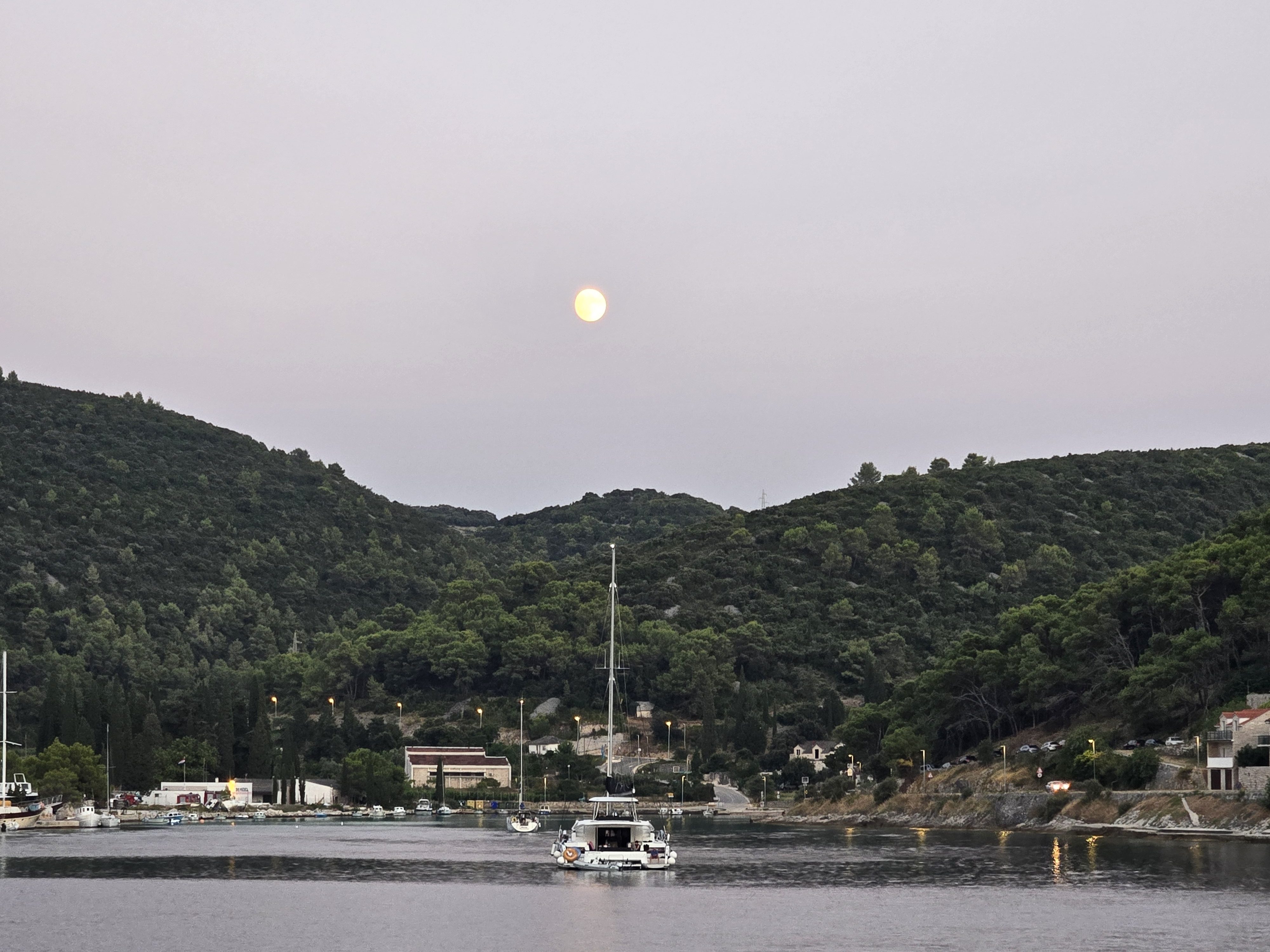
We had an excellent dinner (quite expensive) at the Lučica restaurant, before walking north to the lighthouse, which has been converted into holiday accommodation and offers a beautiful view of the sunset.
Visiting Bol on the island of Brač with children
As is the case almost everywhere along the Brač coast, you have to pay for parking. In Bol, we had to pay €15 for the day (or €3 per hour).
Renting kayaks in Bol with Paddle & Explore
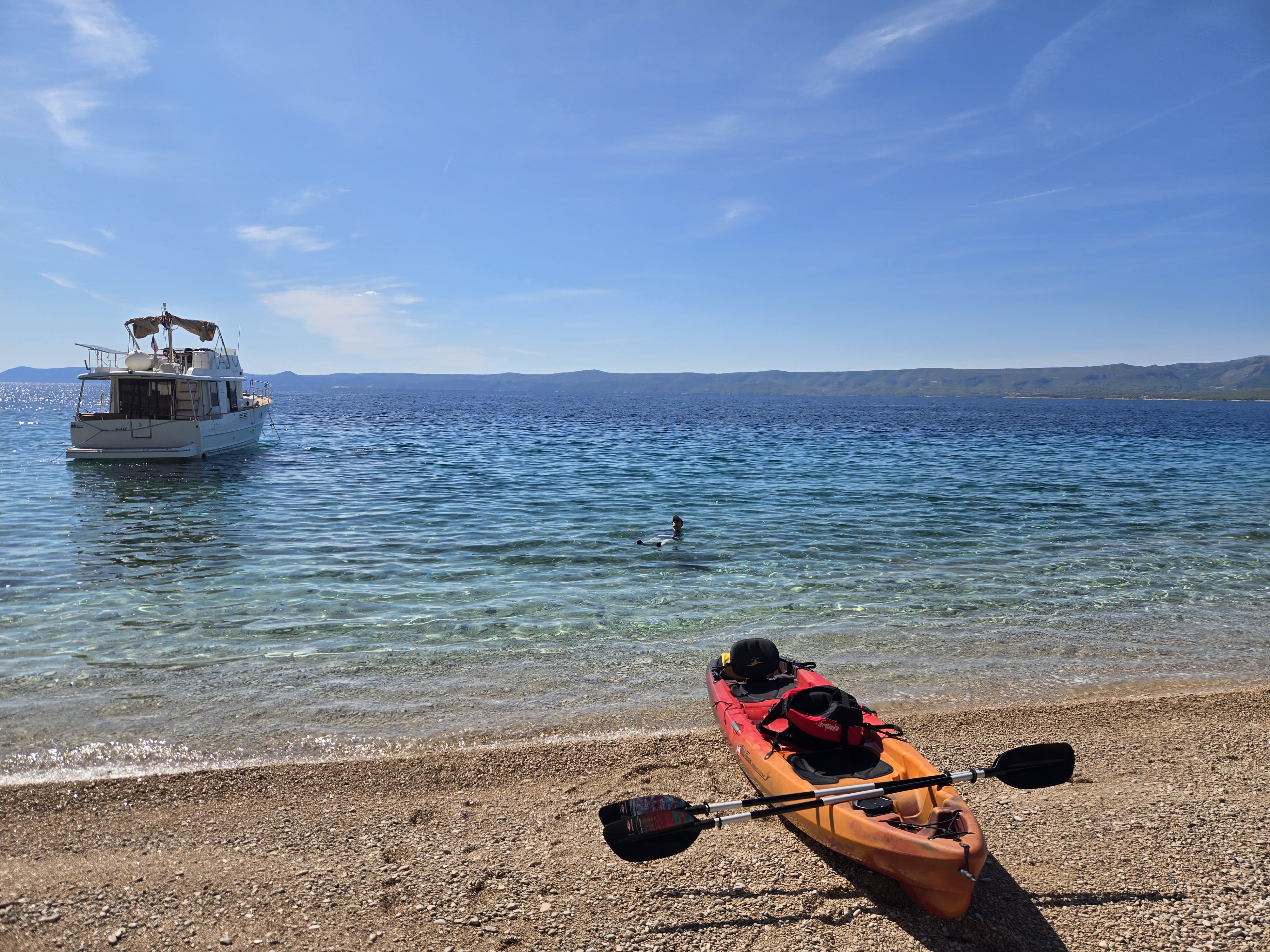
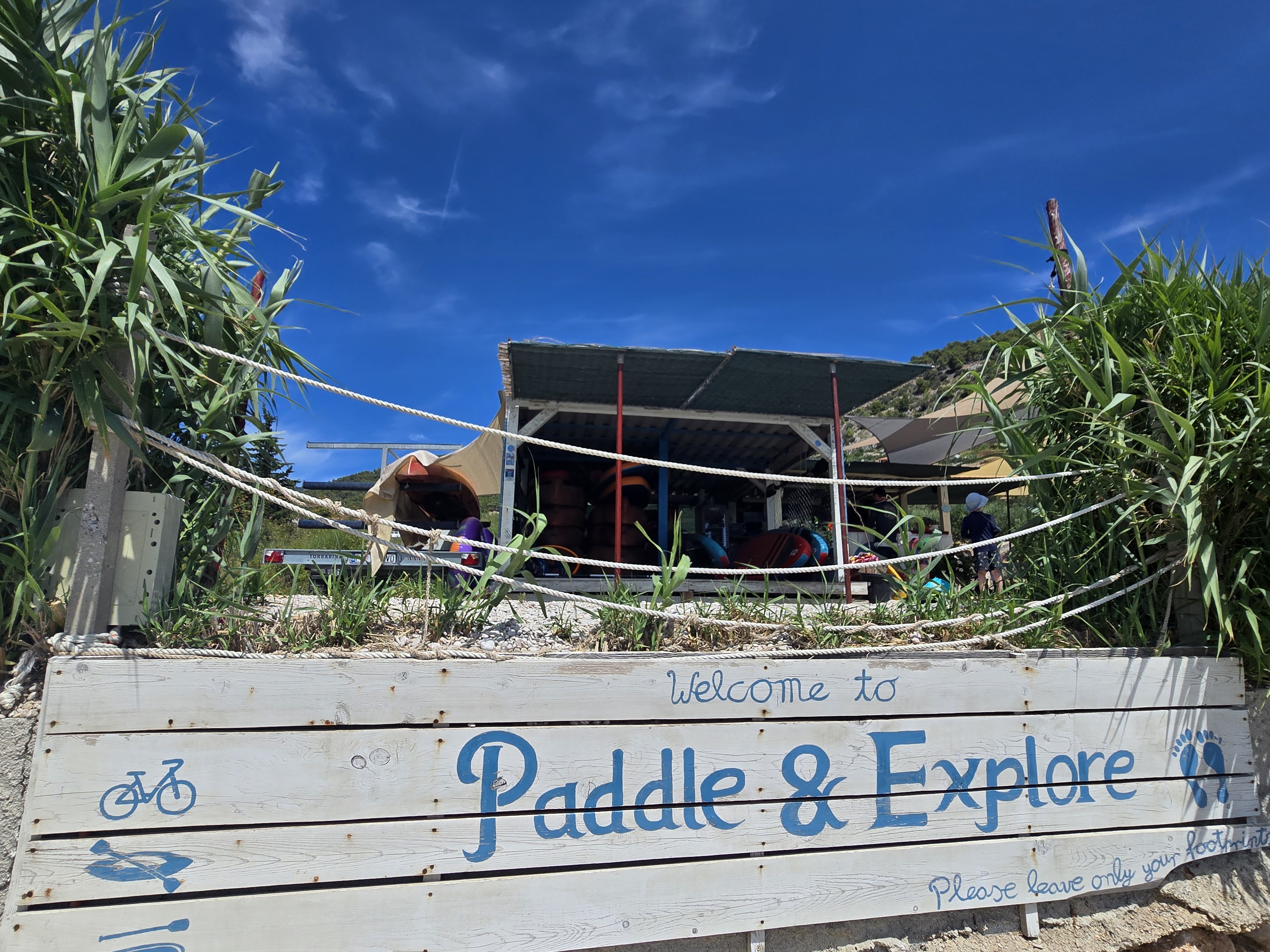
We rented a kayak with Paddle & Explore and loved the experience. At first, we were planning on renting two kayaks, but after seeing our two kids, the owner recommended to rent just one for the whole family. This was clearly not in his financial interest, so we really appreciated the gesture, which allowed us to have a fantastic experience!
After checking the weather conditions, he recommended that we paddle to a beach. It was truly incredible, we were able to enjoy a beautiful deserted beach, where we could spot fish with the children while snorkelling. Two hours was the perfect amount of time (around 30 minutes of paddling to reach the dream beach).
The rental company is based at Martinica Beach, a lovely beach. We recommend checking the weather and planning your kayaking trip accordingly. In general, the sea is calmer in the morning.
Where to eat in Bol?
After our kayaking adventure, we walked from the car park to the centre of Bol. We were surprised by how quiet the restaurants were for lunch during the high season (early August 2026). We enjoyed a delicious vegan meal at BioMania Bistro Bol. There are small shops and ice cream parlours around it, and it is a lovely area to stroll around. We also came across a graffiti festival.
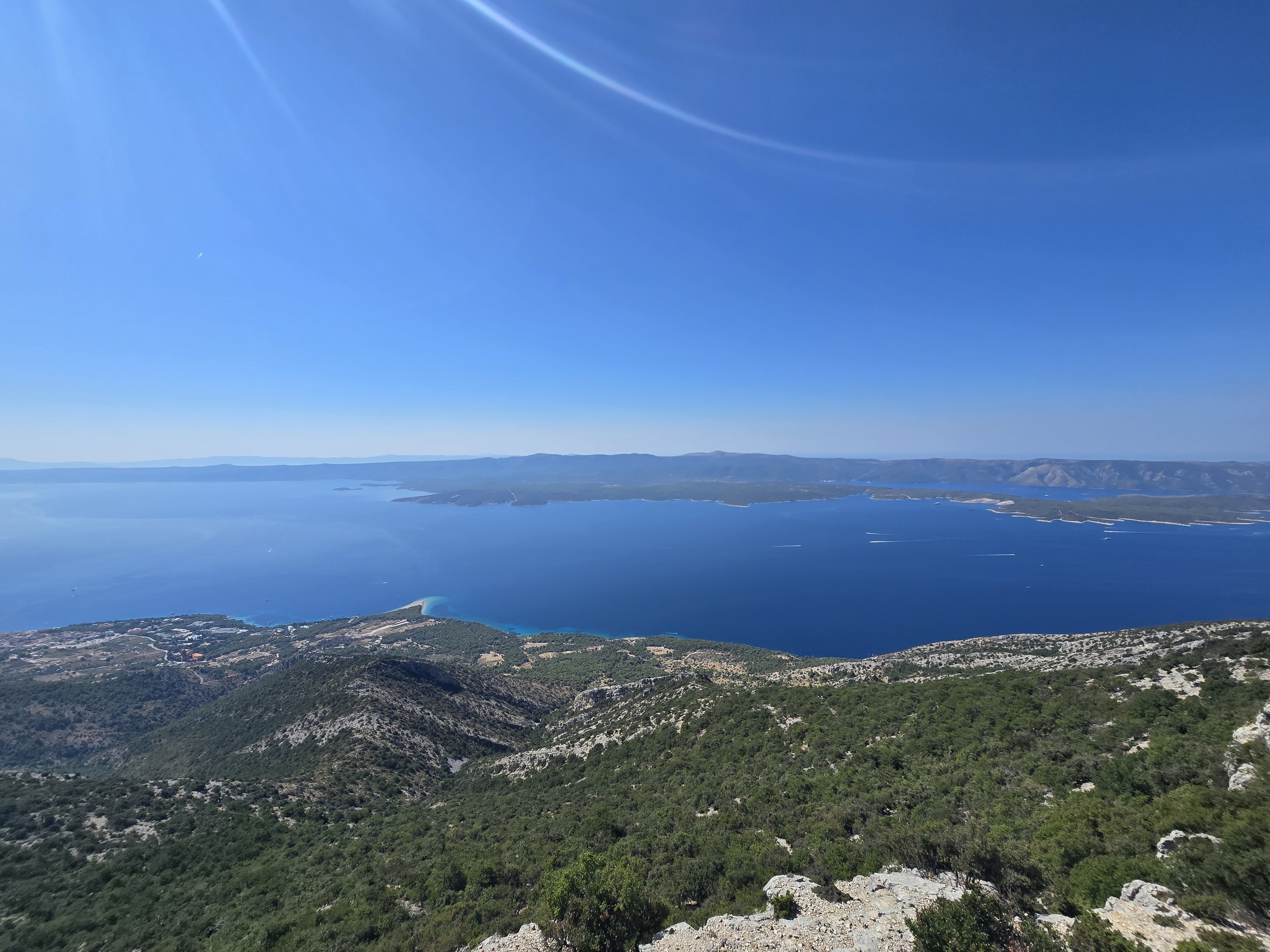
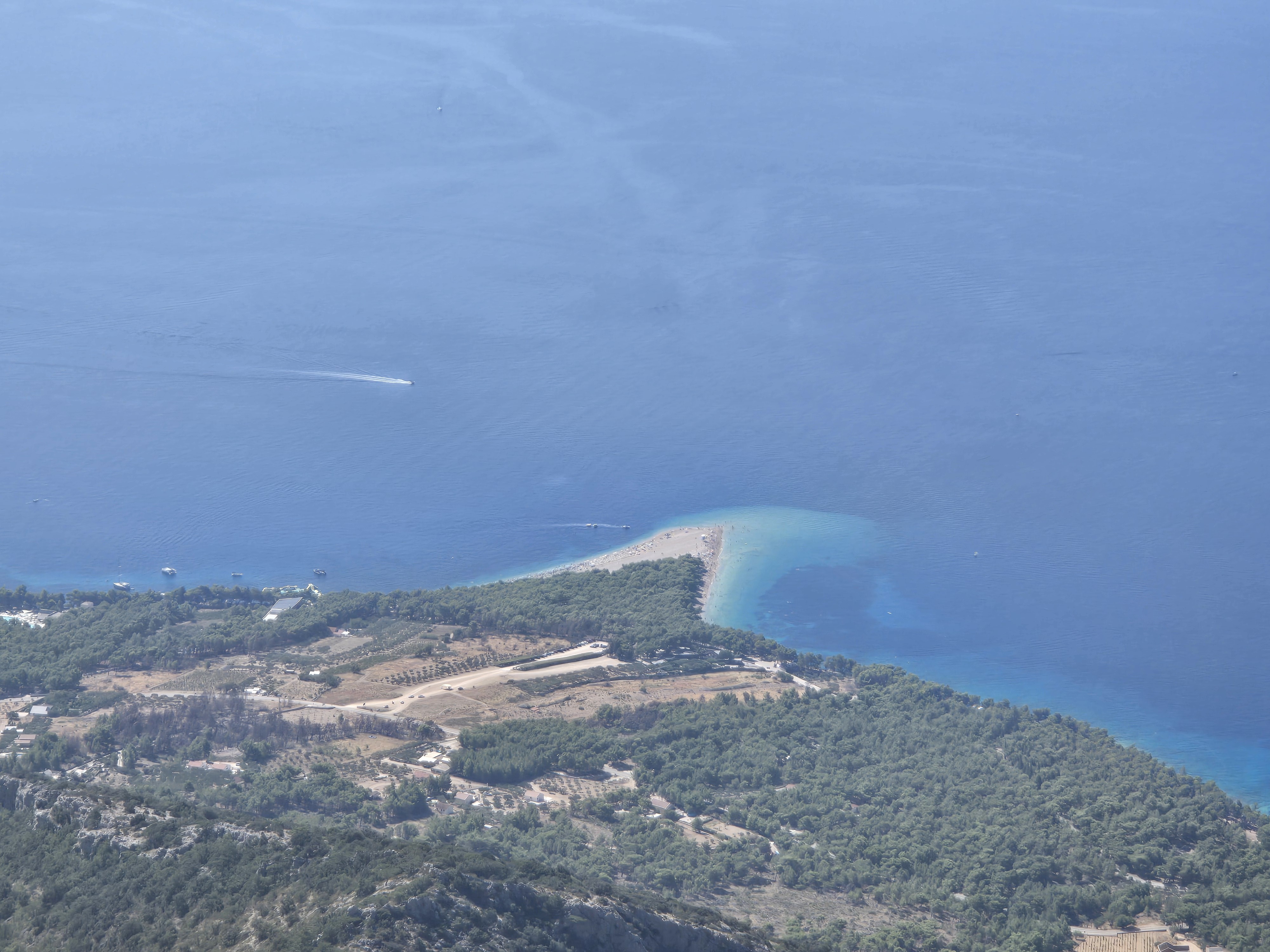
From the centre of Bol, you can walk to the iconic Zlatni Rat beach, but it is quite a walk if you are parked in the same car park as us, on the other side of town. The beach itself is absolutely packed (or you need to arrive early in the morning), so we preferred to admire it from above at Vidova Gora.
The Vidova Gora viewpoint
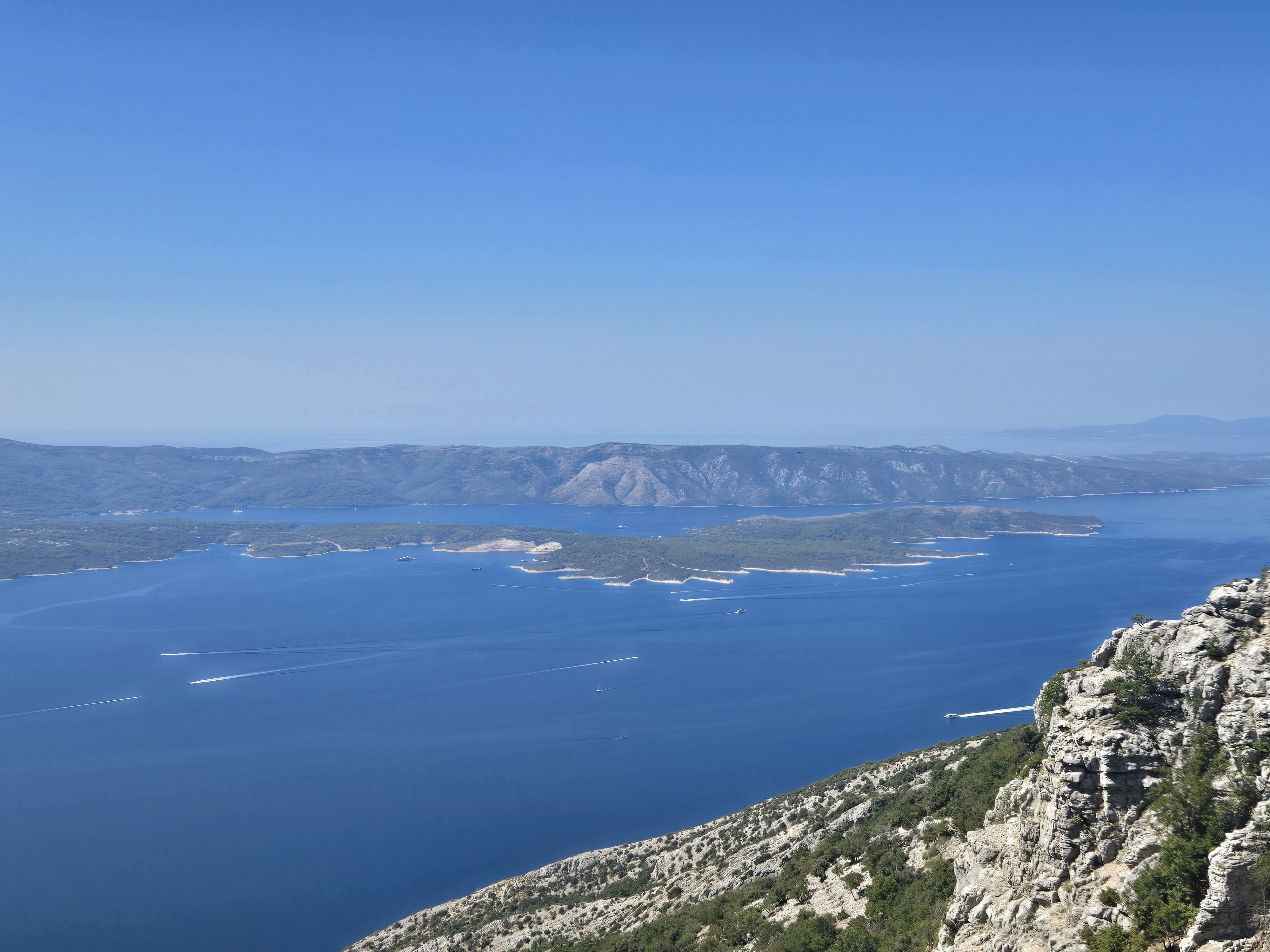
Vidova Gora is a beautiful viewpoint in the south of the island, offering views across the Hvar island and the famous Zlatni Rat beach. It is also the starting point for hikes, and the access road seems to be very popular with cyclists. For once, parking was free.
Murvica Beach, Brač, with the family
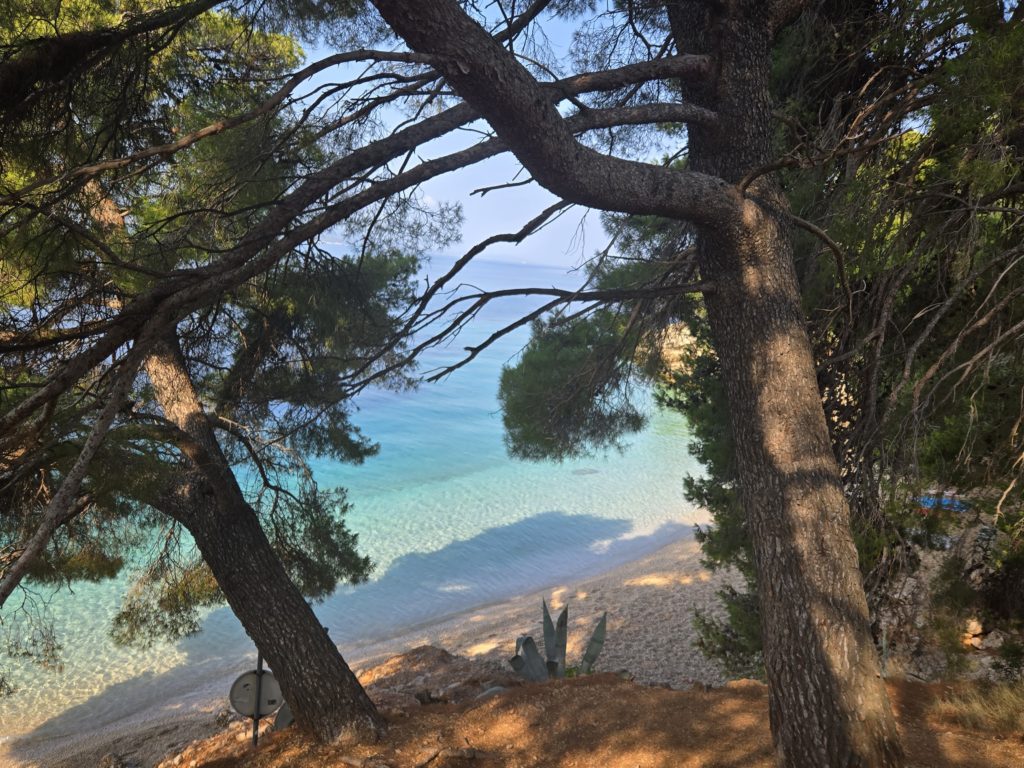
Near Bol, we also had a lovely time at the beautiful Murvica beach. It is a great spot for snorkelling. The easiest parking is at the top of the village (€3/hour or €15/day), or you can drive down to a small car park further below (also €15/day), but the road is very steep.
We had a quick stroll around the village, but it was too hot to venture further and hike to points of interest such as the Dragon Cave, the ruins of Draceva Luka or those of Stipanicic.
Brač’s sandy beach: Lovrečina
Lovrečina beach is ideal for children: the water is calm and it is one of the few sandy beaches on the island. Despite a very windy day, the beach was relatively well sheltered. We went there in the morning and left around 1pm. The beach is small, but by coming in the morning we had no trouble finding a spot. There is a large car park (expect to pay €4 for the day, which is cheap for Brač), but be careful on the access road, as it is very difficult for cars to pass each other and manoeuvre between the car park and the main road.
There is a restaurant and café with toilets on site.
Family-friendly resort in Milna on the island of Brač
For the end of our stay, we based ourselves around Milna. It is a larger town than Pučišća, but the atmosphere is similar.
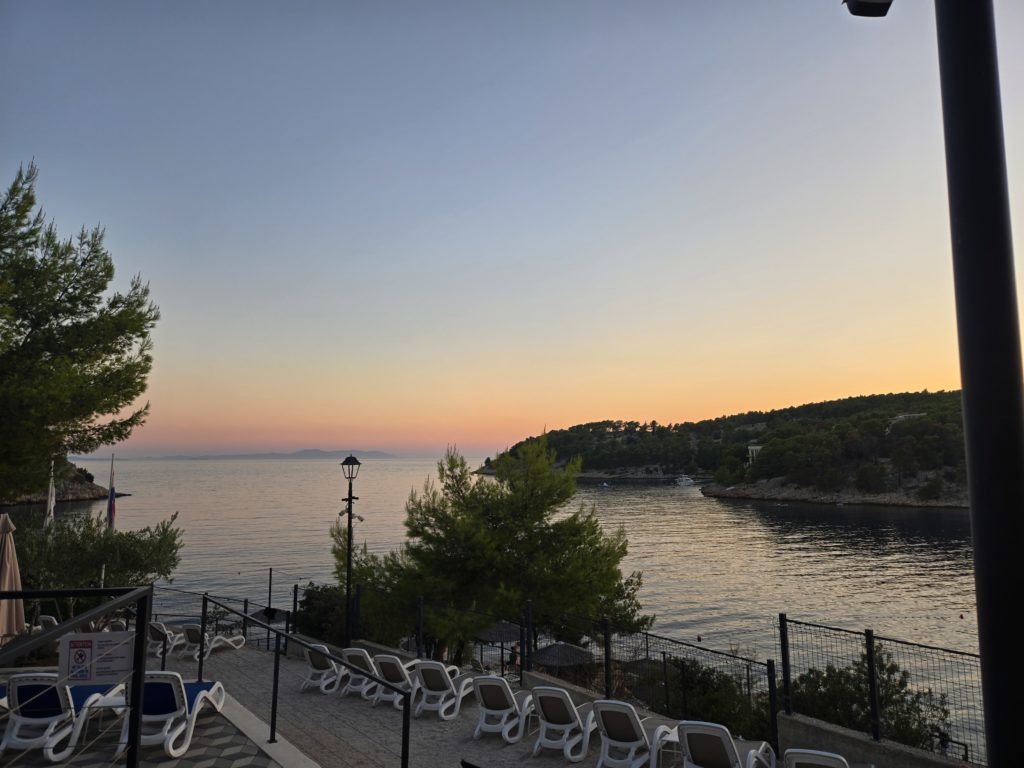
We stayed at Gava Waterman Milna, an all-inclusive resort, for three nights. In our opinion, this was the perfect number of nights to avoid getting tired of the buffet, which was very good. We really liked the rooms, the view from the hotel’s sun loungers, the opportunity to kayak and paddleboard, as well as the kids’ club. It was the most expensive accommodation of our trip, but we felt that the quality was there.
How to get to the island of Brač by ferry?
Beware of the ferry during the high season, you may have to wait for several ferries before you can board. This is especially true on busy departure and arrival days such as Saturdays. We left the island on Saturday 1 August and slightly regretted our choice. We arrived at the port around 8:45am and boarded at 10:45am. The wait was long, but with the beach right next to the port, we were able to dip our feet in the water before setting off. The wait in Split was less pleasant on the way there, but we were lucky and were the second-to-last car to board.
Visiting Split with young children
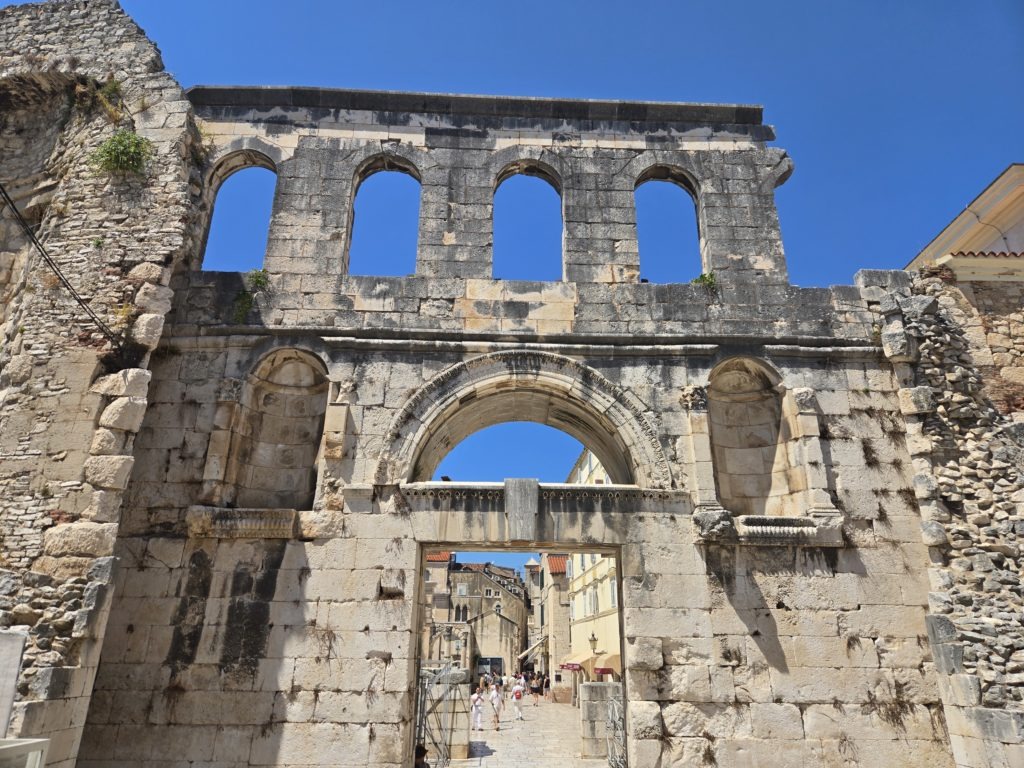
As we were there after taking the ferry, we decided to visit the old town of Split. On a Saturday afternoon in August, with temperatures reaching 38°C and the kids, it wasn’t the best idea… Nevertheless, I think that under better conditions, a guided tour could have been interesting. There are free walking tours (tip-based) that can be booked online.
Because of the heat, we cooled down with an ice cream (vegan for Clémentine) at Ela’s Gelateria Artigianale, and spent some time enjoying the air conditioning at the Znanje Split – Miroslav Krleža bookstore. We would have liked to visit the cellars of Diocletian’s Palace, but the heat and the crowds put us off.
The area around Krka National Park
Which tickets to get to visit Krka National Park ?
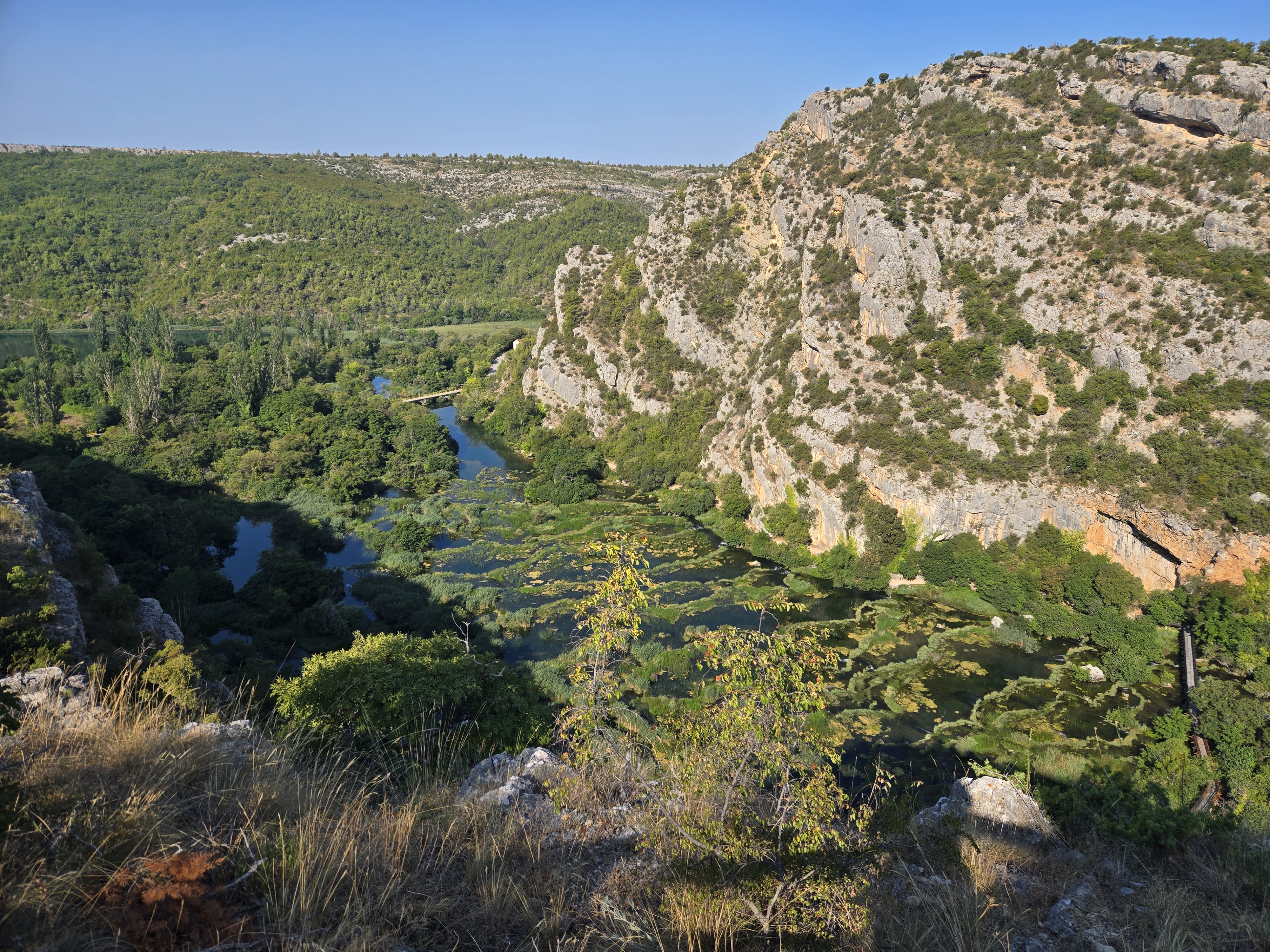
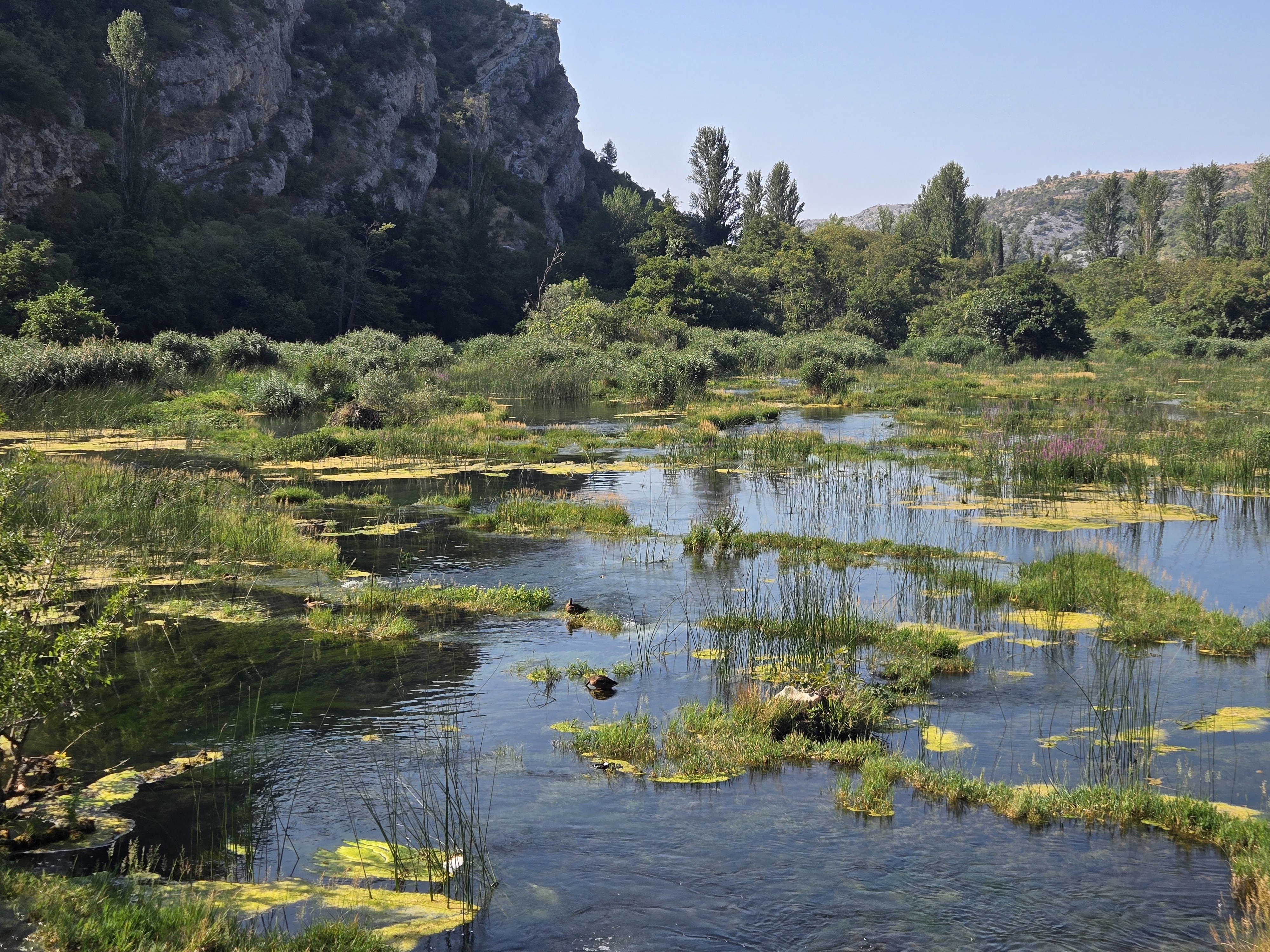
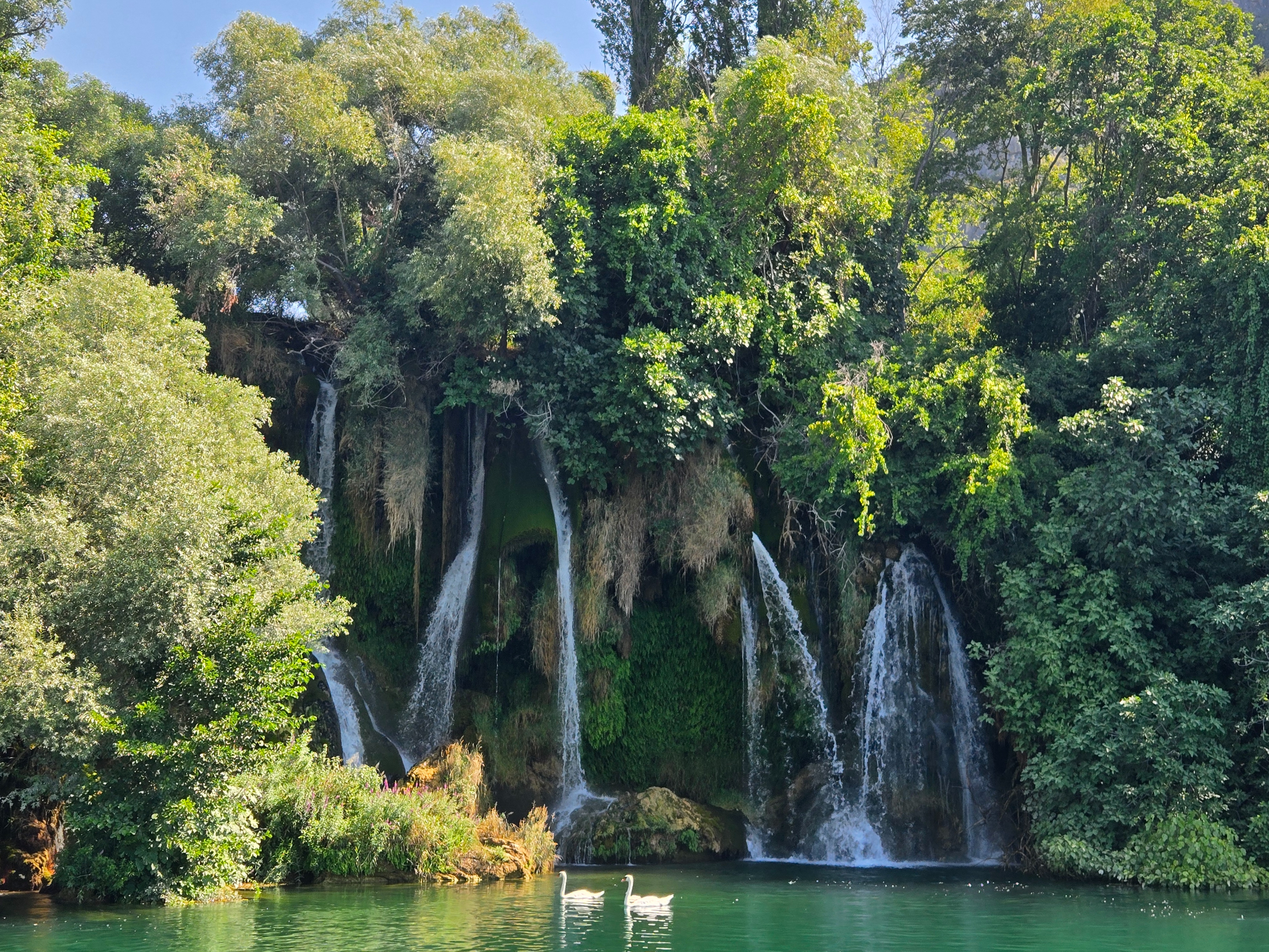
When we saw the price of the entrance tickets, we decided to limit our visit to the northern part of the park, which is less popular but very impressive, with tickets costing half as much (at summer rates). As for the tickets, there are two options: a ticket covering all the sites, or one covering all the sites except the Skradinski Buk waterfalls. To visit the waterfalls, the boat departs from Skradin, and you also obviously have to add the cost of parking. Knowing that we were visiting Plitvice National Park right afterwards, we did not regret our choice. We therefore visited the park through the other entrances and focused our visit on the Roški waterfall and Ogrlice.
A visit of the Krka National Park with the family
Because of the intense heat, we started our day very early and arrived at the park at 8am, at opening time. This meant we were able to park easily inside the park, right next to the points of interest, rather than having to park outside and take a shuttle. We then walked around the waterfalls and climbed up to the Oziđana Cave. There are around 500 steps to climb, but the view alone is worth the effort. The cave is small but interesting, and the children loved the bats.
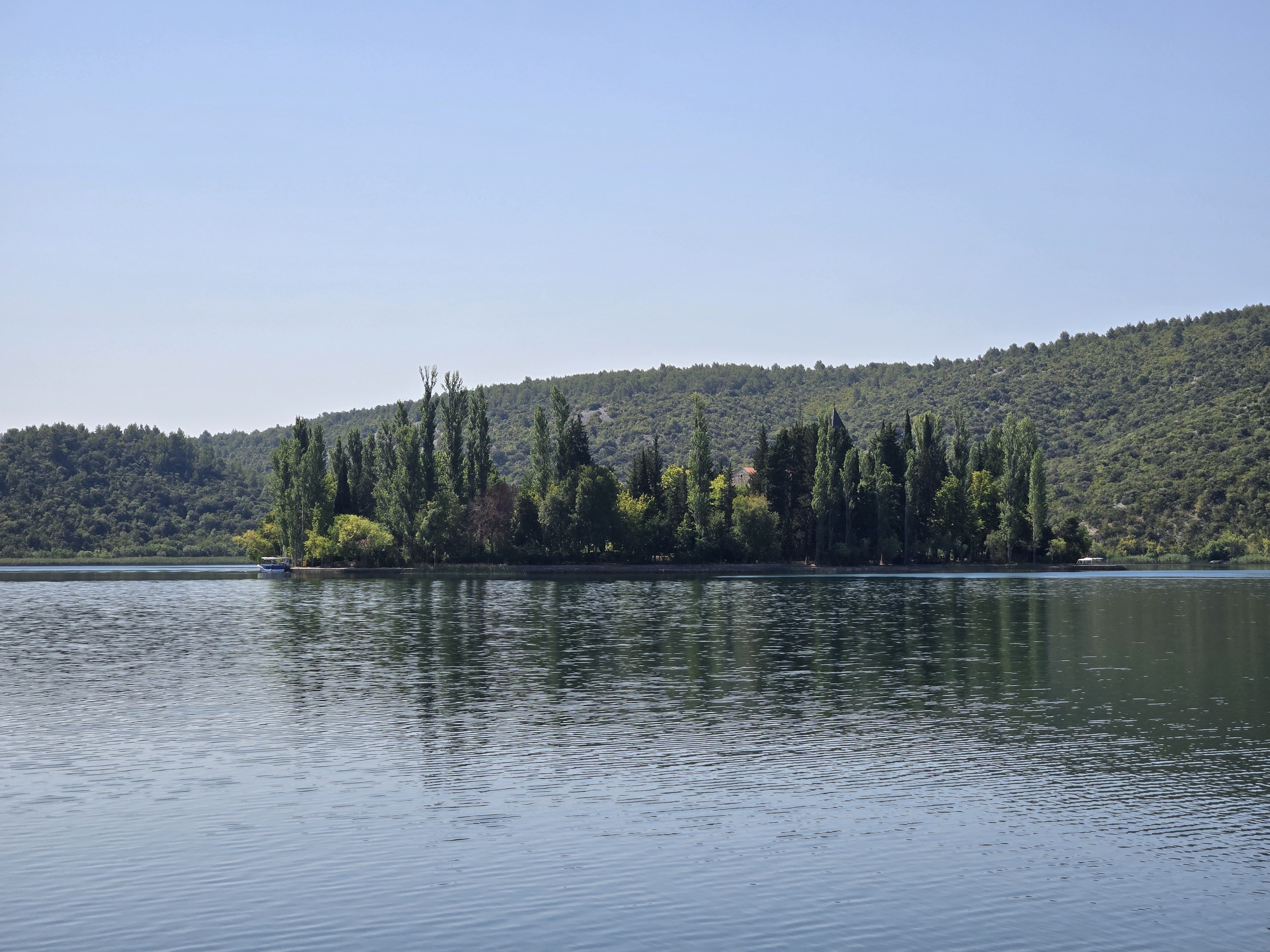
We then also took the boat trip to Visovac Island. It was a lovely trip along the river, allowing us to get close to the Roški waterfalls and visit the island and its monastery.
After that, we left the park to visit the Vrelo života museum in Kistanje, a really fun and interactive place for children.
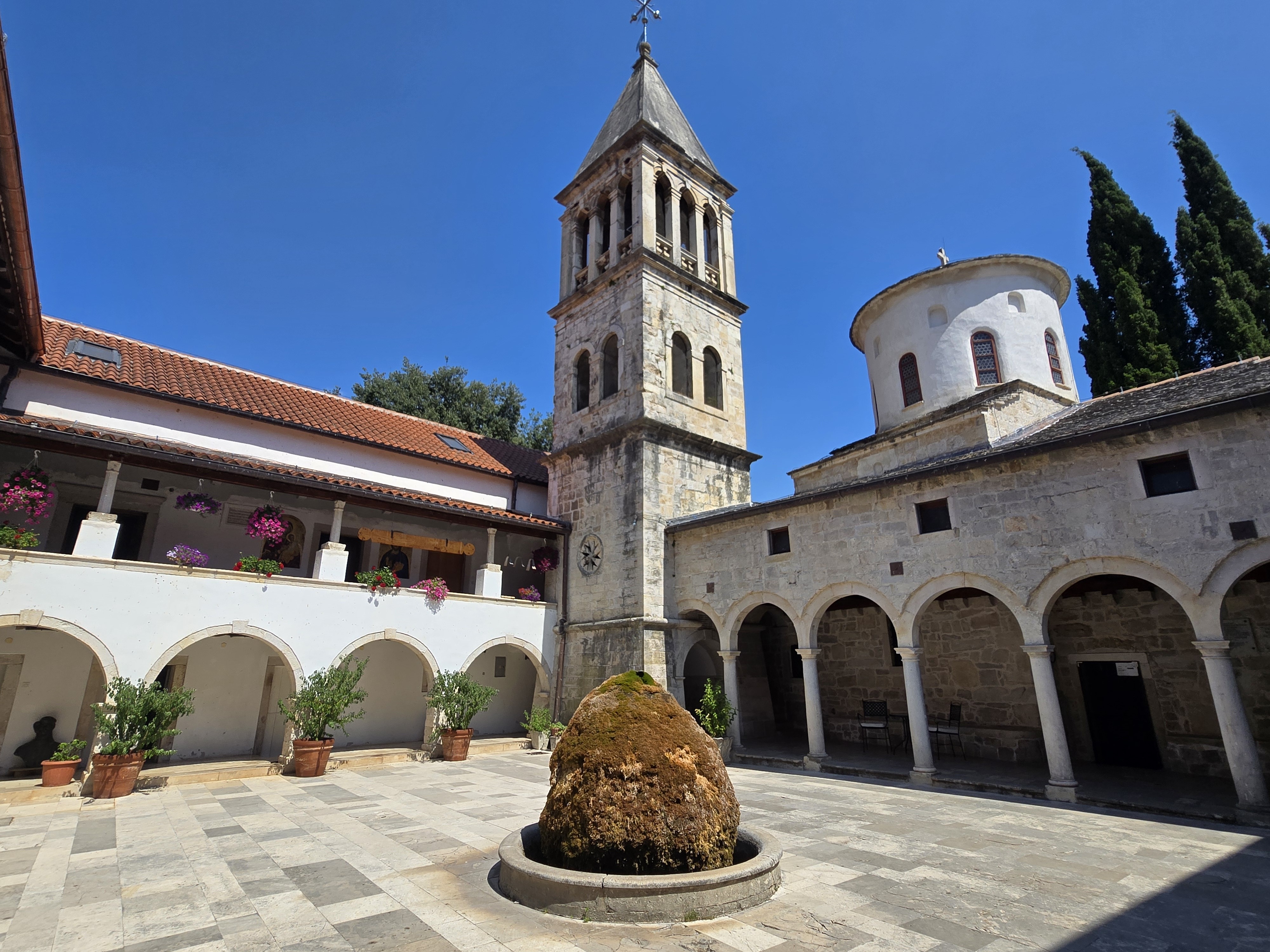
Next, we went to the Pravoslavni Manastir Krka monastery and did the short hike available there. We slightly regretted making the detour, as the monastery is small and the hike doesn’t offer particularly impressive views.
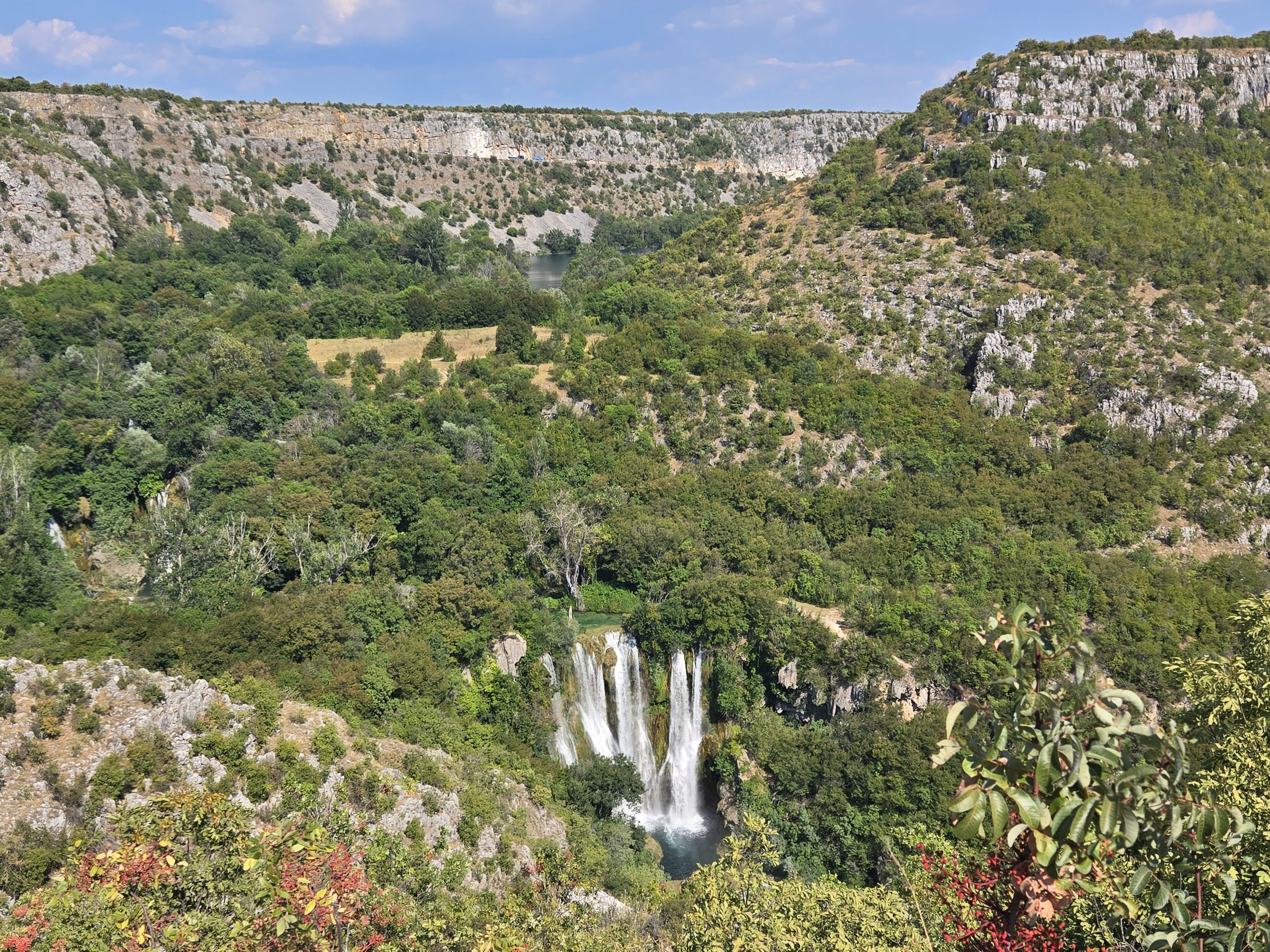
Our day ended with the viewpoint overlooking the Rošnjak waterfall, which was beautiful. We would have liked to hike all the way down (around 30 to 40 minutes’ walk), but turned back because of the scorching heat.
The town of Skradin: a beach and an unusual museum
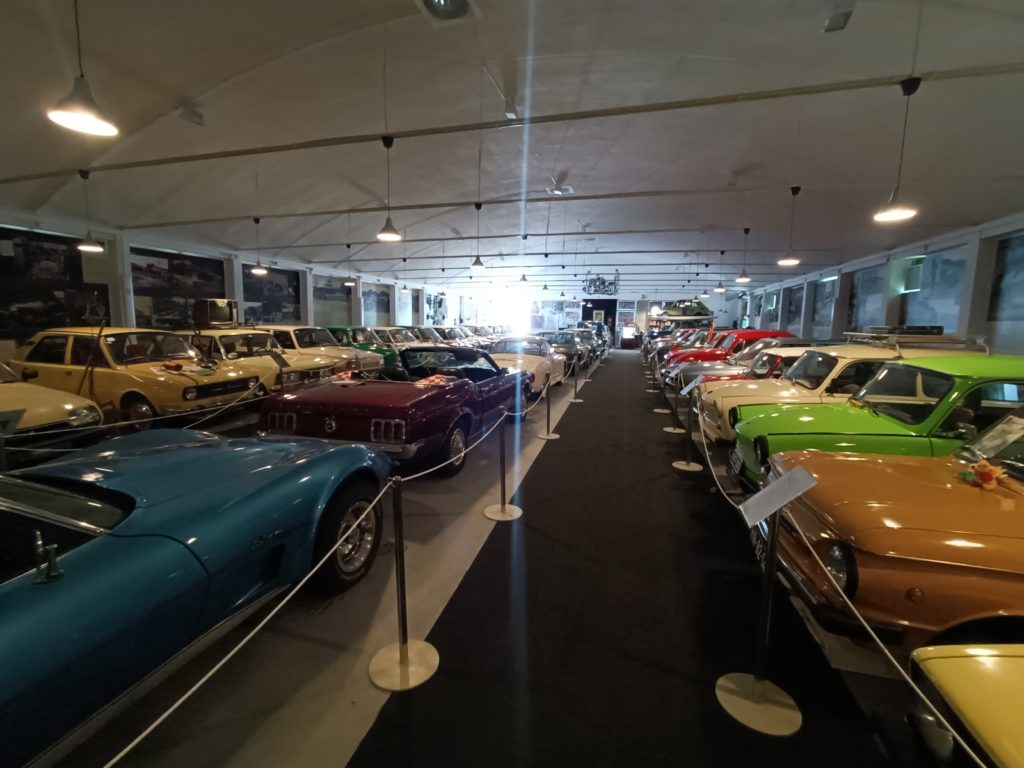
For our second full day around Krka National Park, we headed to the town of Skradin. Swimming in the river was lovely, and we spent some time relaxing on Skradin beach. We then visited the car museum. It is a small, enjoyable museum for car enthusiasts and vintage lovers, with a cool playroom for children. Entry cost €10, but this also allowed us to park there for the whole day.
The town looked interesting, but we did not have the energy to explore it in the heat. It is also the departure point for boats to the Skradinski Buk waterfalls, the most popular part of the Krka park.
Where to stay when visiting Krka: an unusual tiny house
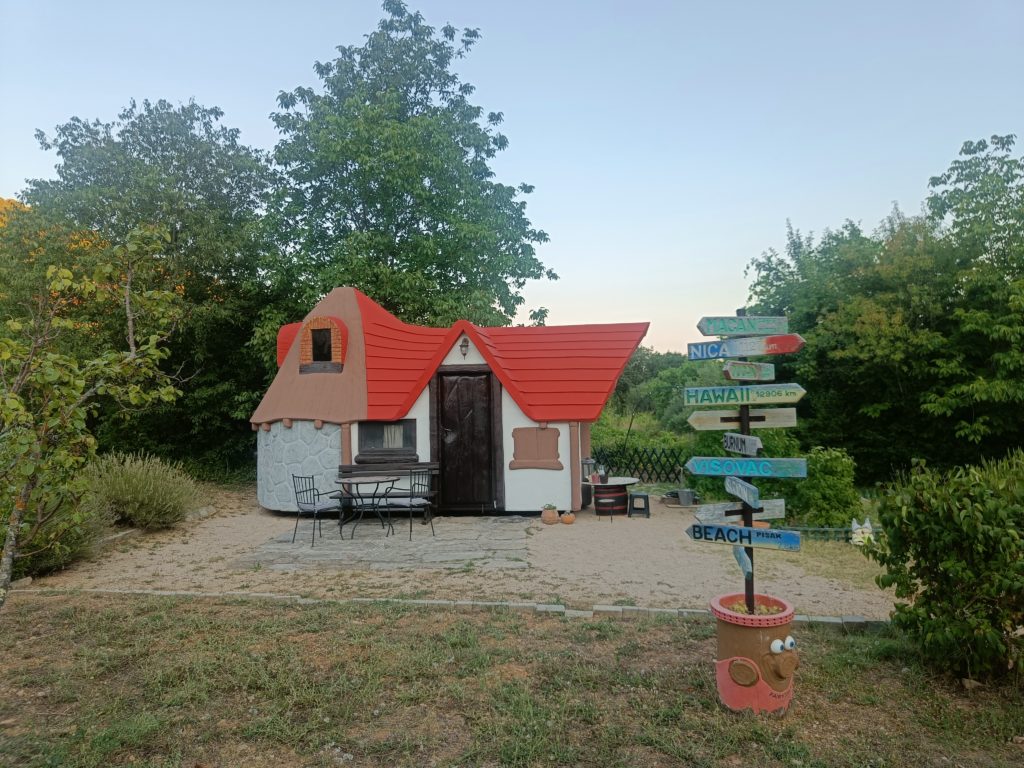
We fell in love with an unusual place to stay, straight out of a Smurfs village, with mini houses shaped like a pumpkin, mushroom and castle.
The idea was great and the place lovely, but in practice, with temperatures reaching 40°C, it was not particularly pleasant and we were unable to make much use of the outdoor areas.
The Plitvice area
We enjoyed our Airbnb accommodation, which was close to many points of interest and right by the entrance to Plitvice Lakes National Park.
Plitvice Lakes National Park
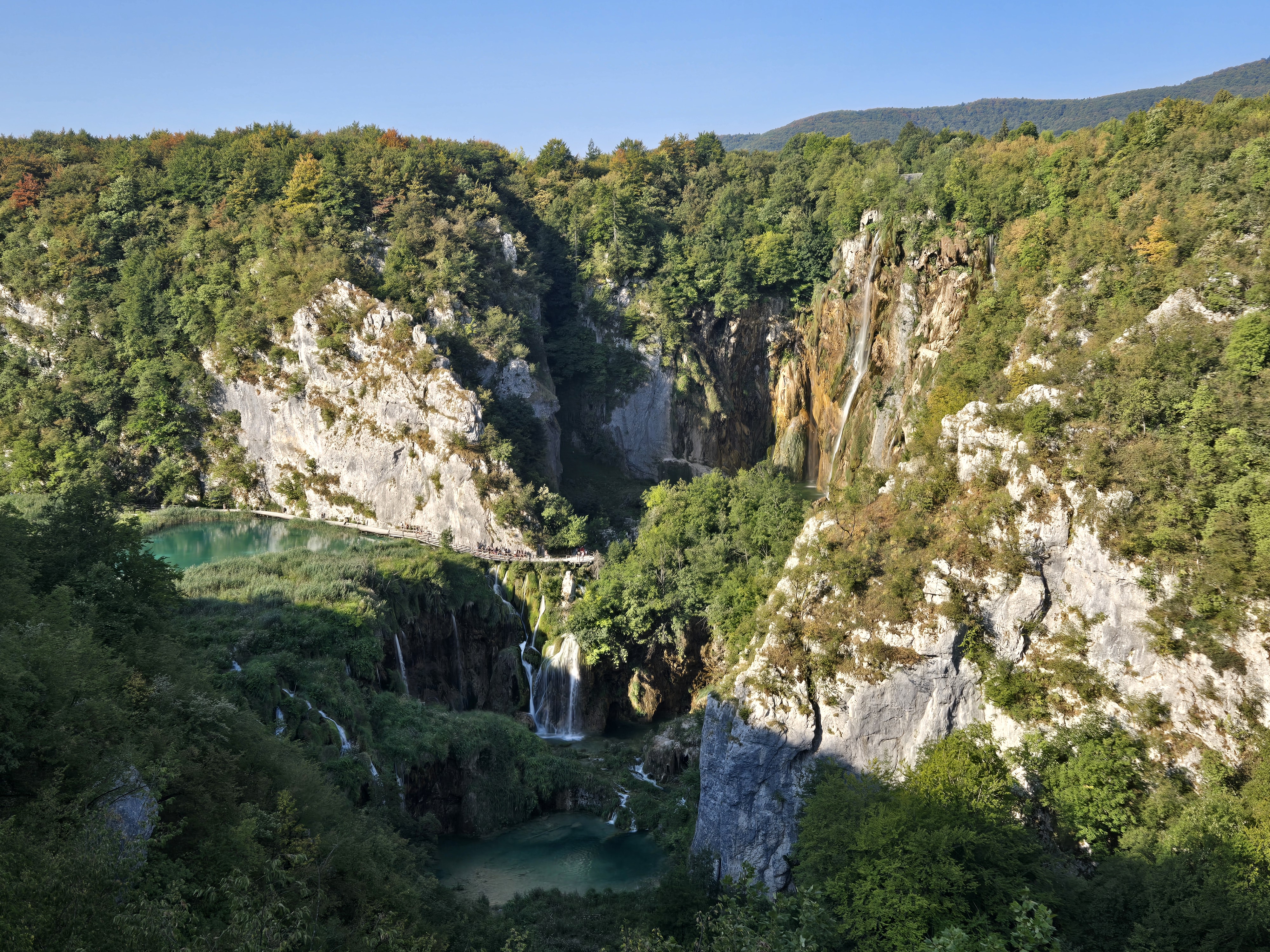
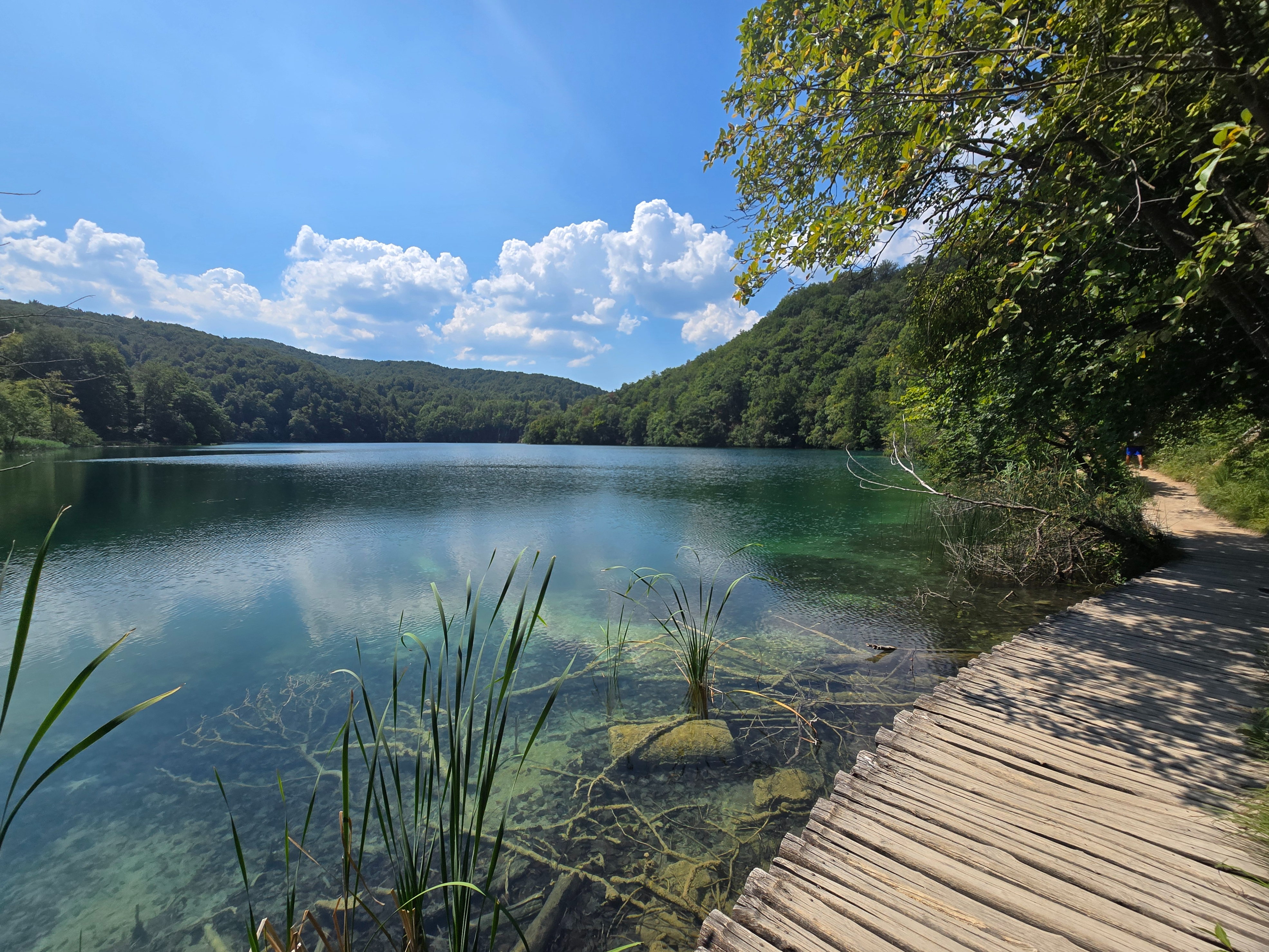
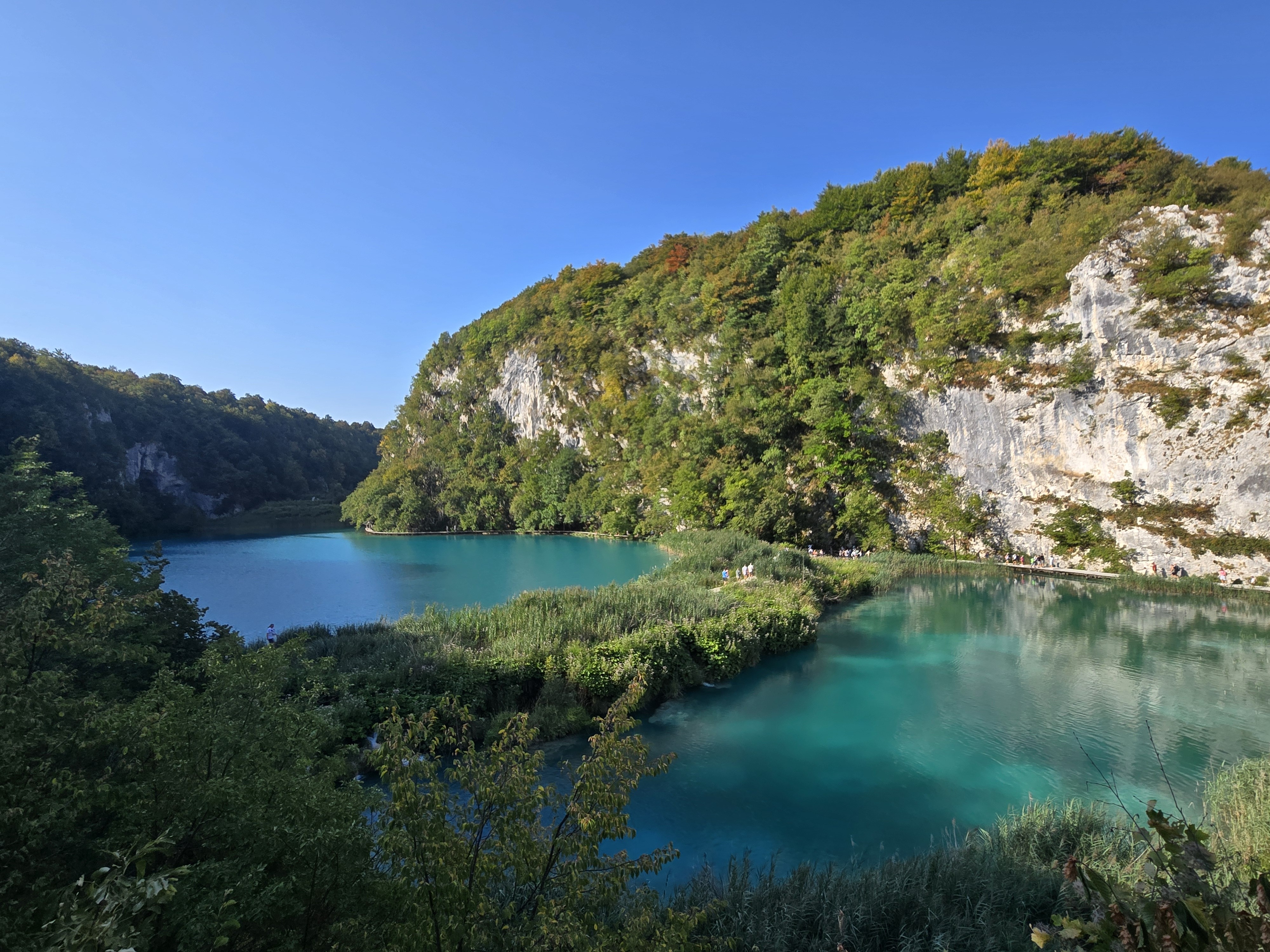
Plitvice National Park is one of the most visited tourist attractions in Croatia. Knowing this, we decided to book our tickets in advance for 8am. As well as avoiding (some of) the crowds (already impressive at opening time), we were able to enjoy the cooler temperatures before the hottest part of the day. Note that swimming is prohibited in the park.
We spent a relaxing day going from one waterfall and lake to another, with wonderfully blue water and plenty of fish to spot. The entrance ticket includes a boat trip across Lake Kozjak as well as the shuttle transfer. There are several routes to choose from, depending on your starting entrance. There are only 3 km between the two entrances. You can find the different routes here: Lake tour programmes.
We took Route C, starting from Entrance 1. It covers almost all the park’s points of interest and allows you to take the boat across the lake and then return by shuttle while enjoying the views. You should also budget extra for parking (€2/hour in summer 2026).
We regretted not staying at the park to avoid all these extra costs, as we later realised that some park hotels offer packages that include entrance tickets. There are 2 campsites and a hotel. Be sure to book well in advance.
Baraćeve špilje: Barać Caves and the Speleon Museum
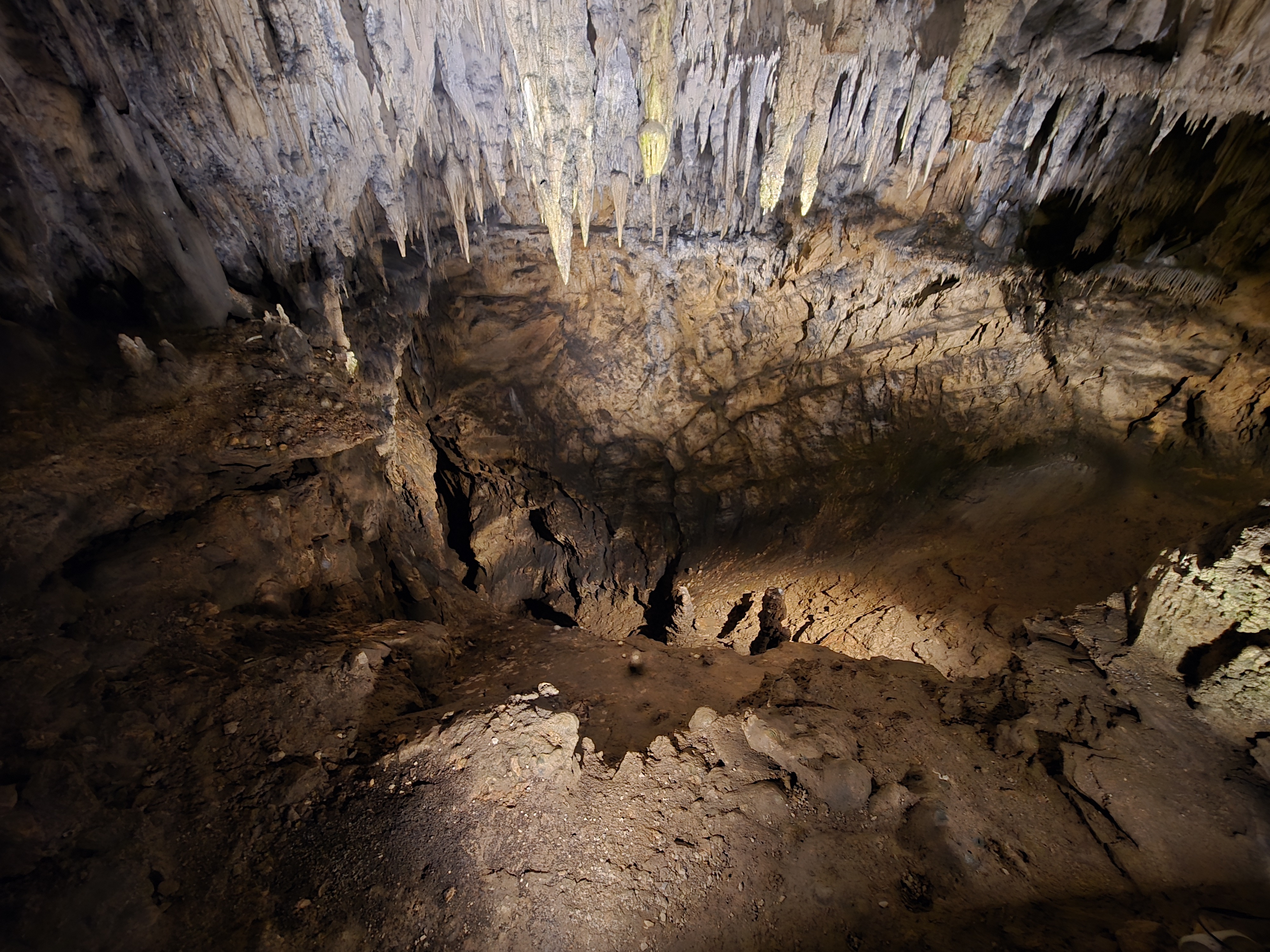
For our last day in Croatia, after visiting Plitvice, we had a more relaxed day, starting with the Baraćeve špilje caves.
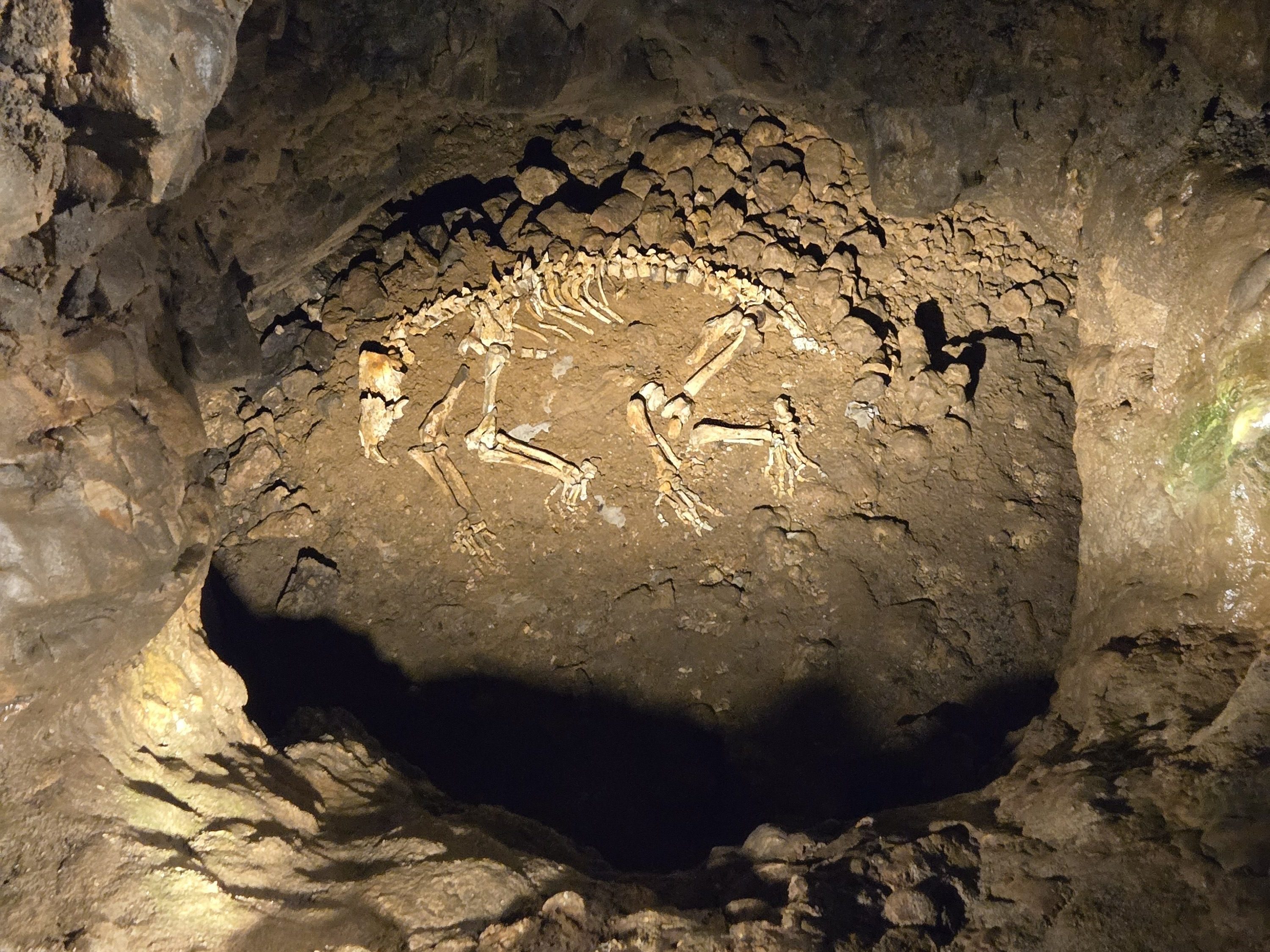
We really enjoyed the visit, although the caves can be explored fairly quickly. The guide’s explanations were comprehensive, and we were part of a very small group. It was fascinating to discover traces of the history of the caves, which were once home to prehistoric animals and Neanderthals. In addition to the caves, the site has many interesting outdoor facilities: fantastic playgrounds, a badminton court with rackets, a café, picnic tables and hiking trails through the forest for all levels. We went there early, but still could not enjoy the facilities as much as we would have liked because of the heatwave.
We combined this visit with a visit to the speleology museum at Centar podzemne baštine. As well as being a great place to cool down, it helped us better understand the humans and animals that lived in the caves over time and learn more about speleology. The café is also very pleasant (and air-conditioned), as is the indoor play area for children.
The village of Rastoke
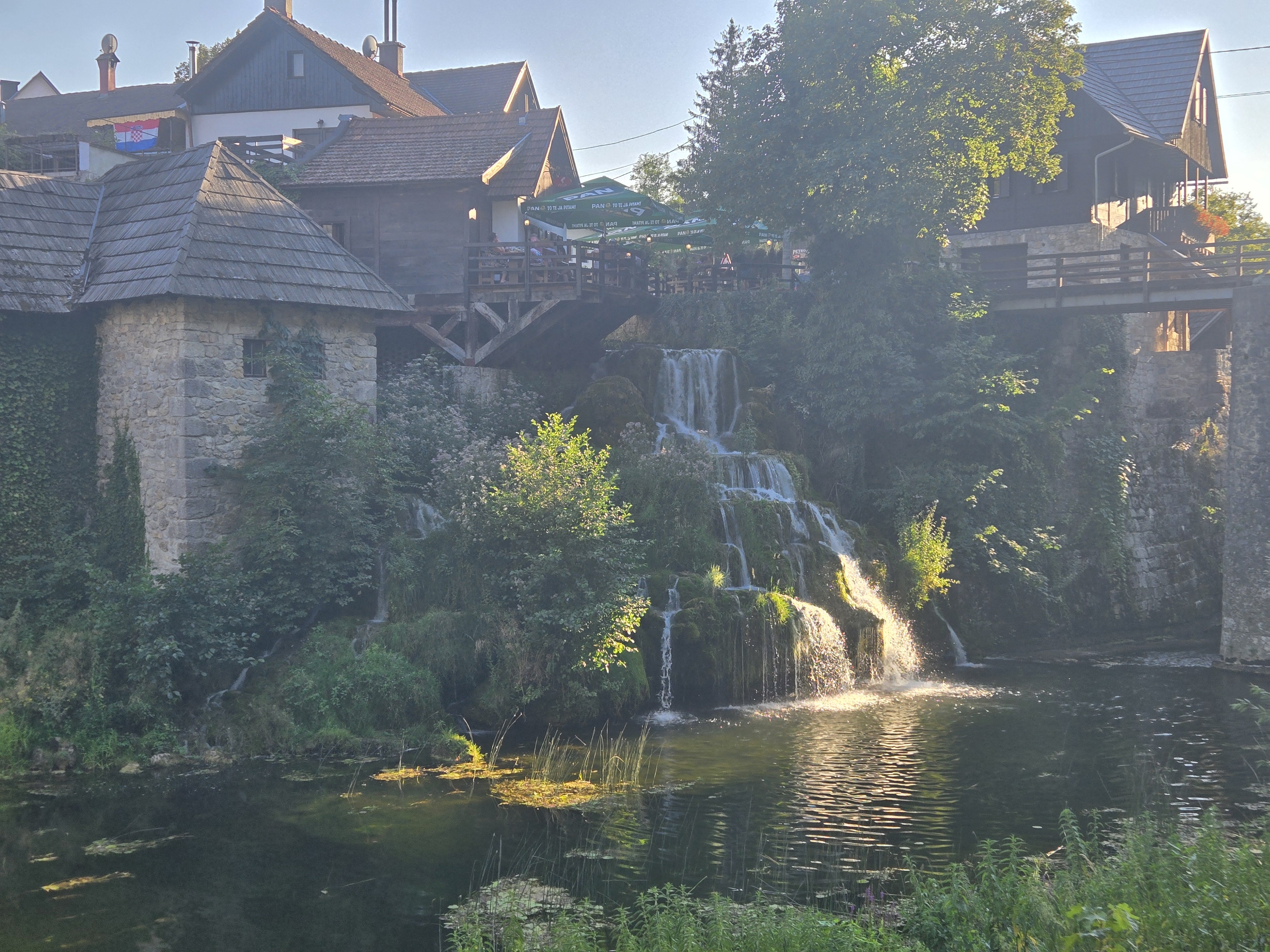
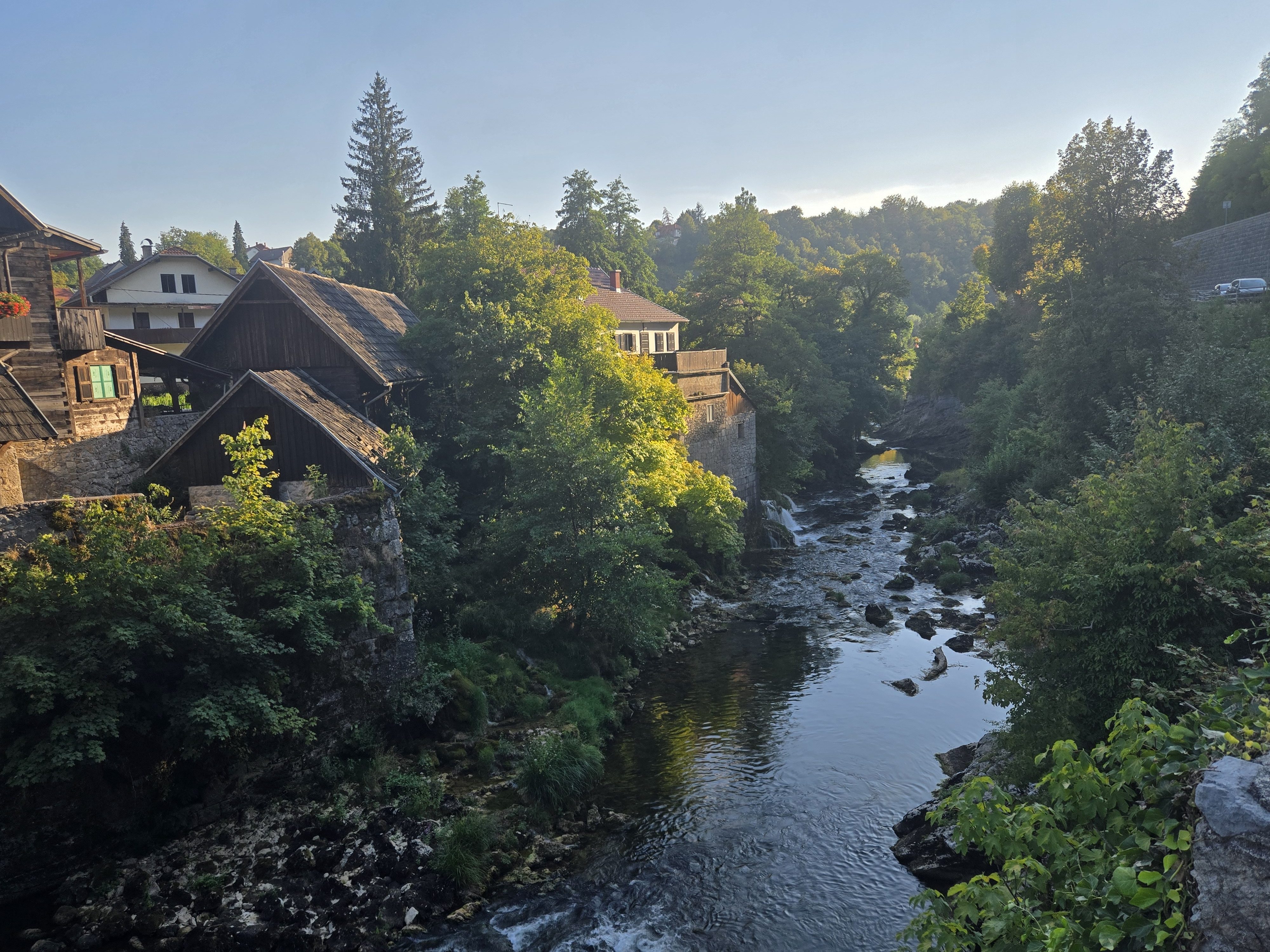
At the end of the day, we headed to Rastoke to explore the village and have dinner at Ambar restaurant. A useful tip: we parked at the restaurant so we did not have to pay for parking during the hour we spent in the village.
Although it is very pretty, we were a little disappointed by the visit. The charm of the village is somewhat spoiled by the viaduct that crosses the river. For those frustrated by not being able to swim in Plitvice, it is worth noting that you can swim here in the river at Korana Naturbad Slunj.
Plitvice or Krka: which national park should you visit in Croatia with children?
First of all, we regretted visiting both and spending three nights in each area. We had not realised how much this would add to our budget or how similar the two visits would be.
Plitvice is much larger and more impressive than Krka, but it is also more crowded. We preferred Plitvice and felt that it offered better value for money.
The choice also depends on the other stops on your road trip. For example, if you are based in Split, it is much easier to visit Krka.
Conclusion on our family road trip in Croatia
Avoid the middle of summer when visiting Croatia with young children
We had a mixed experience in Croatia overall. We loved our time on the island of Brač, but found the rest of the trip much less comfortable. If you can avoid it, we did not find the period from early to mid-August ideal for visiting Croatia. The crowds, but above all the heat, were difficult to cope with, especially with young children.
In terms of budget, we found petrol and accommodation affordable, and restaurants relatively affordable too, except on the island of Brač. However, parking ended up being a huge expense that we had not anticipated, as were entrance fees, particularly for the national parks.
We would love to return to explore the capital, Zagreb, as well as the islands of Mljet and Hvar (and, honestly, plenty of other islands that looked beautiful), along with the cities of Zadar and Šibenik.
Understanding Croatia: a few historical landmarks
Although the traces are less visible than in Bosnia where we had just come from, it is impossible to forget the war that took place in Croatia just a few decades ago. Indeed, the country experienced conflicts between 1991 and 1995, in the context of the breakup of Yugoslavia and Croatia’s drive for independence, pitting Croatian forces against the Yugoslav People’s Army and Serbian forces in Croatia.
On our journey between Krka and Plitvice, we passed through areas that were still in ruins and completely abandoned, apart from a few cows, including the village of Medviđa.
Reading List on Croatia
- The book that still haunts me, Girl at War by Sara Nović, about the tragic story of a child growing up in Zagreb during the war, who finds herself caught up in the conflict before emigrating to the United States.
- The thriller, The Red Water, by Split-born author Jurica Pavičić, which follows the investigation into the disappearance of a young girl during the breakup of Yugoslavia, through the war and the country’s independence.
Here are also some recommendations that are not specifically about Croatia but explore the recent history of the Balkans:
- The novel about exile and nostalgia for a vanished country, The Ministry of Pain by Dubravka Ugrešić.
- The 2011 film The Parade, a tragicomedy about homophobia and the nationalist divisions of the former Yugoslavia.

No Comments